+7 (495) 532 22 27
General manager

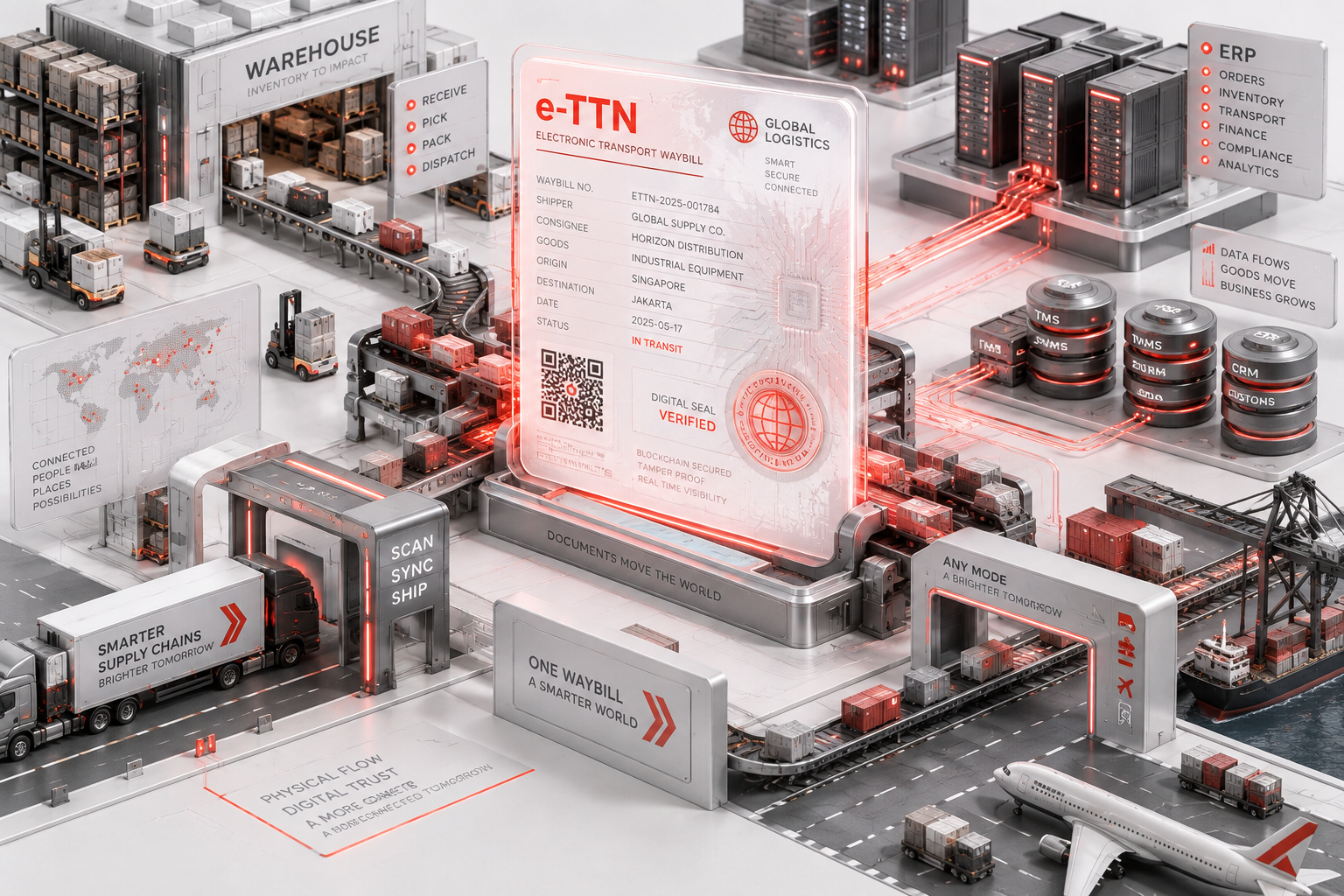
We use a phased approach that first ensures the correct operation of the integration solution, then adapts it to the customer's business processes and automates routine operations.
1. We analyse your processes and design the solution
We start by studying how transportation is organised in the company and how the relevant information is reflected in the accounting system.
It is important for us to understand:
- which transportation scenarios are used in the company;
- which departments and employees are involved in arranging transportation;
- which documents contain the details required for the e-waybill;
- which data is already available in the system and which needs to be additionally collected or stored;
- which specific features and exceptions exist in the customer's processes.
Based on the assessment, we prepare a conceptual design. It defines the scope of work, the target integration scheme, the required settings and developments, as well as the specifics of automation for each transportation scenario.
The concept is agreed with the customer. This makes it possible to build a shared understanding of the outcome in advance and to avoid a situation where important requirements are discovered during development.
2. We install and set up the integration solution
ALPE Consulting works in tandem with Kontur, which provides a standard integration solution for data exchange between SAP and the Kontur.Logistika service.
We install and configure this solution in the customer's system, establish the required connections and communications, and set up security certificates, logging, and the mapping of organizations and ERP data to external systems.
We also prepare a test environment and set up users with the required authorizations.
At this stage, our goal is to make the standard solution work correctly: enable the creation of an electronic transport waybill, its signing with an electronic signature, and its error-free submission to the operator.
This is an important foundation for further automation.
3. We automate e-waybill generation in the ERP system
This is where one of the key parts of our work — and of the value we deliver to the customer — lies.
The standard integration solution handles data transfer and work with the electronic waybill. However, on its own, it does not spare employees the need to manually fill in the numerous fields of the document. We solve this on the ERP side.
Our specialists determine which documents and system objects contain the required information, link them together, and set up automatic data collection for e-waybill generation.
If the existing ERP objects lack the necessary information, we extend them — adding the required fields, reference tables and other elements.
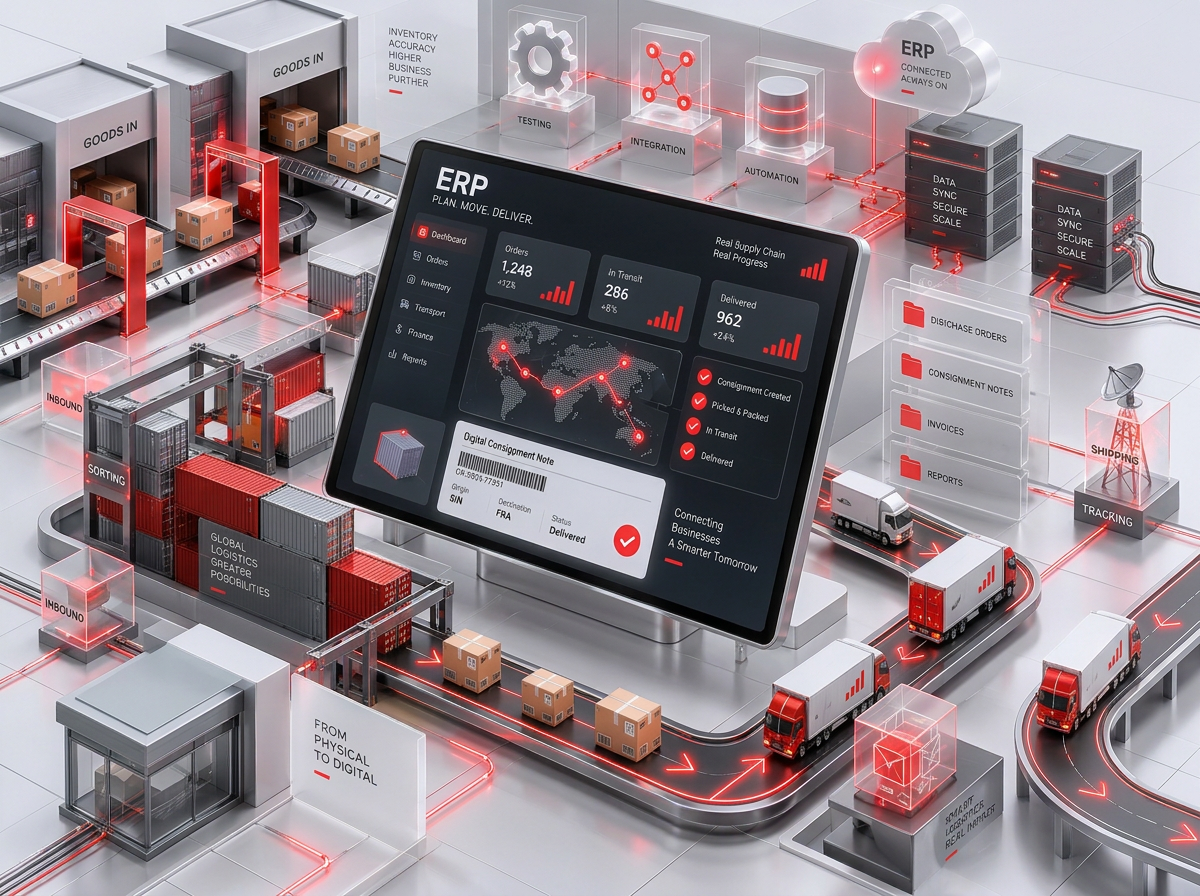
As a result, the electronic transport waybill can be generated automatically from a document the employee is already familiar with — for example, a transportation document or an outbound delivery.
Instead of manually filling in numerous fields, the user enters the document number and starts the e-waybill generation. The system automatically collects the required information from the linked documents and creates the electronic waybill.
In one of our projects, manual e-waybill creation took about 40 minutes. After automation, the process was reduced to entering a document number and pressing a button. The waybill is now generated in seconds.
At the same time, we do not limit ourselves to a single universal scenario. Automation is designed around the customer's real processes: transportation involving third-party carriers, inter-warehouse transfers, work through freight forwarders, and other options.
For example, in one project for Şişecam group companies, we implemented eight different scenarios of automatic e-waybill generation.
4. We test the solution and train the users
Once development is complete, we verify every planned scenario.
We run module testing together with the users, followed by full integration testing. We check not only document generation but the entire electronic exchange process: signing, submission and status updates.
In parallel, we train the employees and prepare the documentation. It includes a description of the integration solution settings, development specifications, and instructions for end users. Where needed, we prepare separate materials for administrators and the customer's internal team.
This way, we ensure not only that the system is technically ready, but also that the employees are ready to work with it.
5. We launch the solution and provide ongoing support
After successful testing, we move the solution to the production environment and start live operation.
But this is not where our work ends.
After the launch, a hyper care period follows, usually one to two months. During this time, ALPE Consulting specialists stay in touch with the customer: they advise users, help resolve emerging issues, fix errors and, where necessary, make additional enhancements.
This is especially important for new processes, as some specifics only show up in real operation — when the system encounters the full range of transportation scenarios and situations that cannot always be foreseen at the assessment stage.
Going forward, we can support and further develop the solution — adapting it to changes in requirements, electronic document formats and the company's internal processes.
-
Automation instead of manual data entry.
We go beyond simply connecting to the operator: we automate data collection and e-waybill generation directly in the ERP system. This cuts document processing time and reduces the amount of manual work. -
Alignment with the company's real processes.
The solution adapts to the company's existing transportation scenarios instead of forcing the customer to adjust their logistics to a standard program interface. -
Lower go-live risks.
We start by assessing processes and agreeing on the concept, then consistently configure, develop and test the solution. This allows us to identify missing data and business process specifics before the solution goes into live operation. -
Minimal extra steps for users.
Employees keep working in the system they are used to. E-waybill generation is launched from the documents already in use, with no need to manually transfer information between systems. -
Support after implementation.
We do not leave the customer alone with the new solution after the launch. The hyper care period and ongoing support help adapt the system to real-world operation and to subsequent changes.
Why ALPE Consulting
SAP integration expertise
We understand the architecture of corporate ERP systems and know how to adapt standard solutions to the customer's existing IT environment
Track record of Kontur solution implementations
We work together with the operator, leveraging its integration platform and our own expertise in implementation and adaptation
In-depth analysis of business processes
We look beyond the technical side of document exchange: we also understand how transportation, warehouse logistics and related operations are organized
Development tailored to the customer's needs
We automate e-waybill generation with the specifics of the particular system and the company's workflows in mind
Complete scope of services
We support the project from the initial assessment through go-live, stabilization and further development of the solution
We want the e-waybill to become simply part of how your business runs — not one more chore for your team.
ALPE Consulting will help you design and implement a solution that fits the specifics of your company and is ready to evolve along with its processes.


