Перейти к содержимому
SPM Implementation — Discrete Production & Supply Chain Planning System

SPM Implementation — Discrete Production & Supply Chain Planning System

The SPM system is designed for small, medium and large enterprises (from hundreds to 10+ thousand people) with a distributed structure.

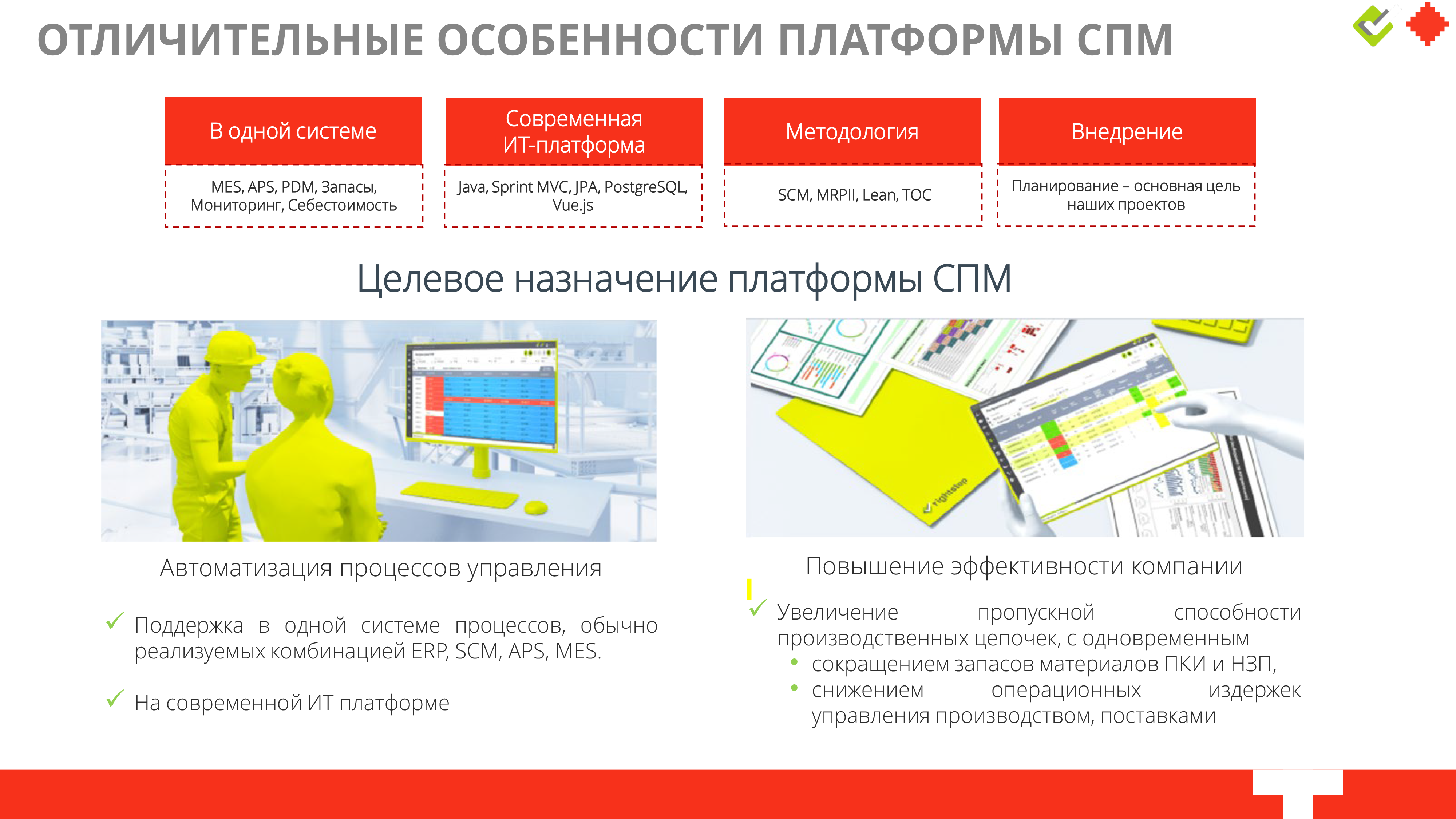
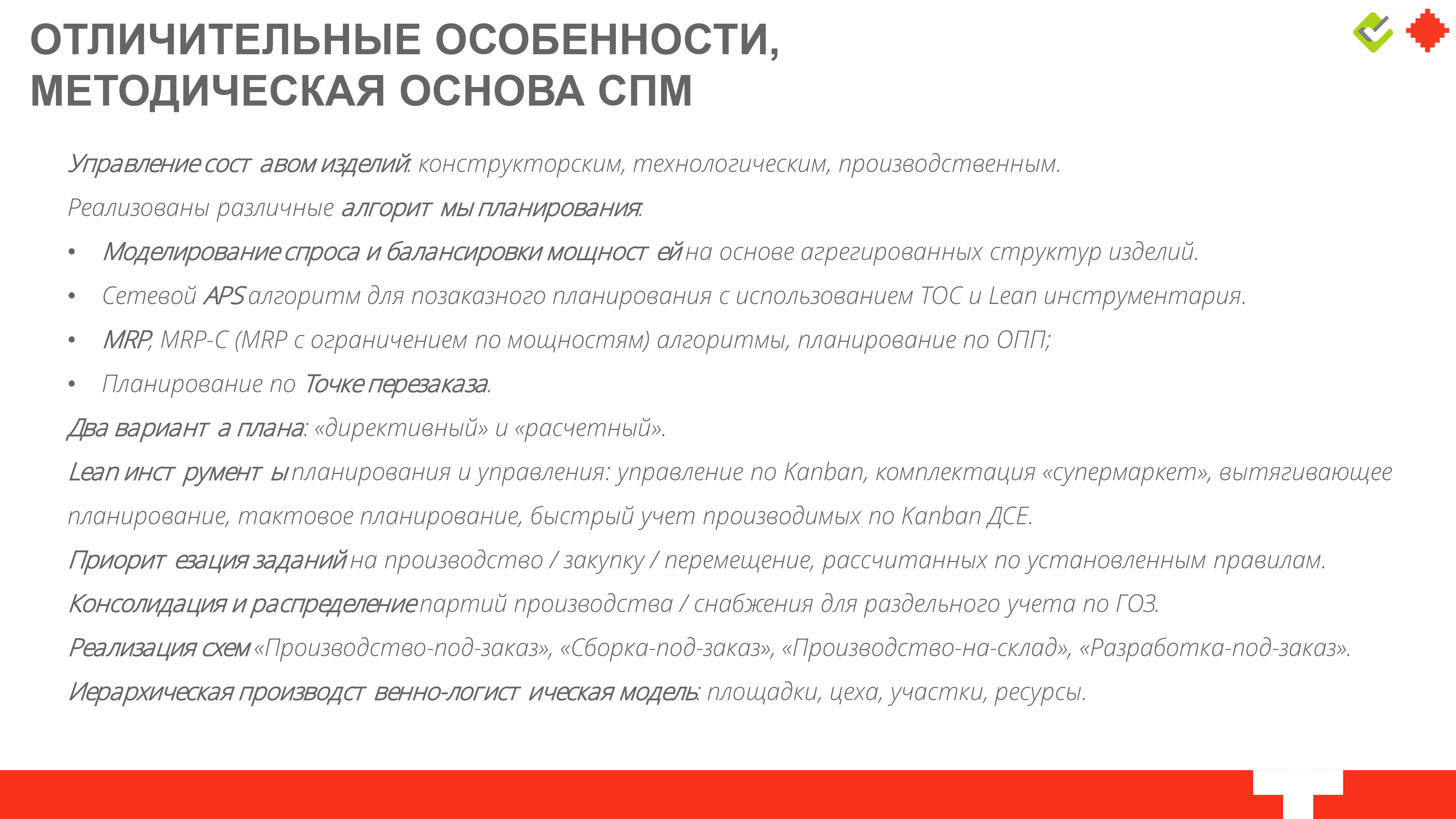
The configuration allows you to build production systems using various management concepts: MRP II, SCM, Lean, APS, MES.

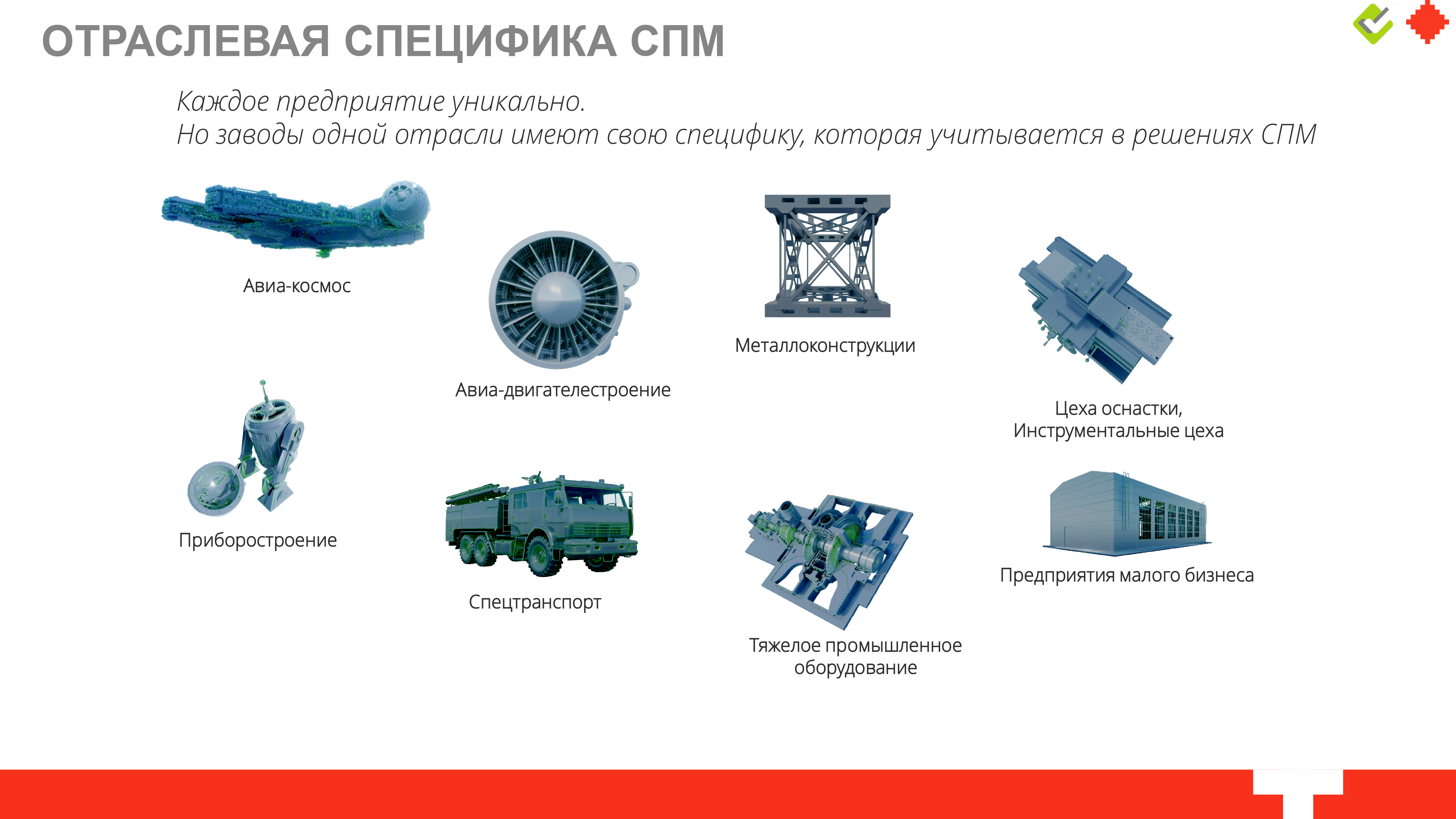
SPM can be called 100% focused on high-tech and multi-product production.

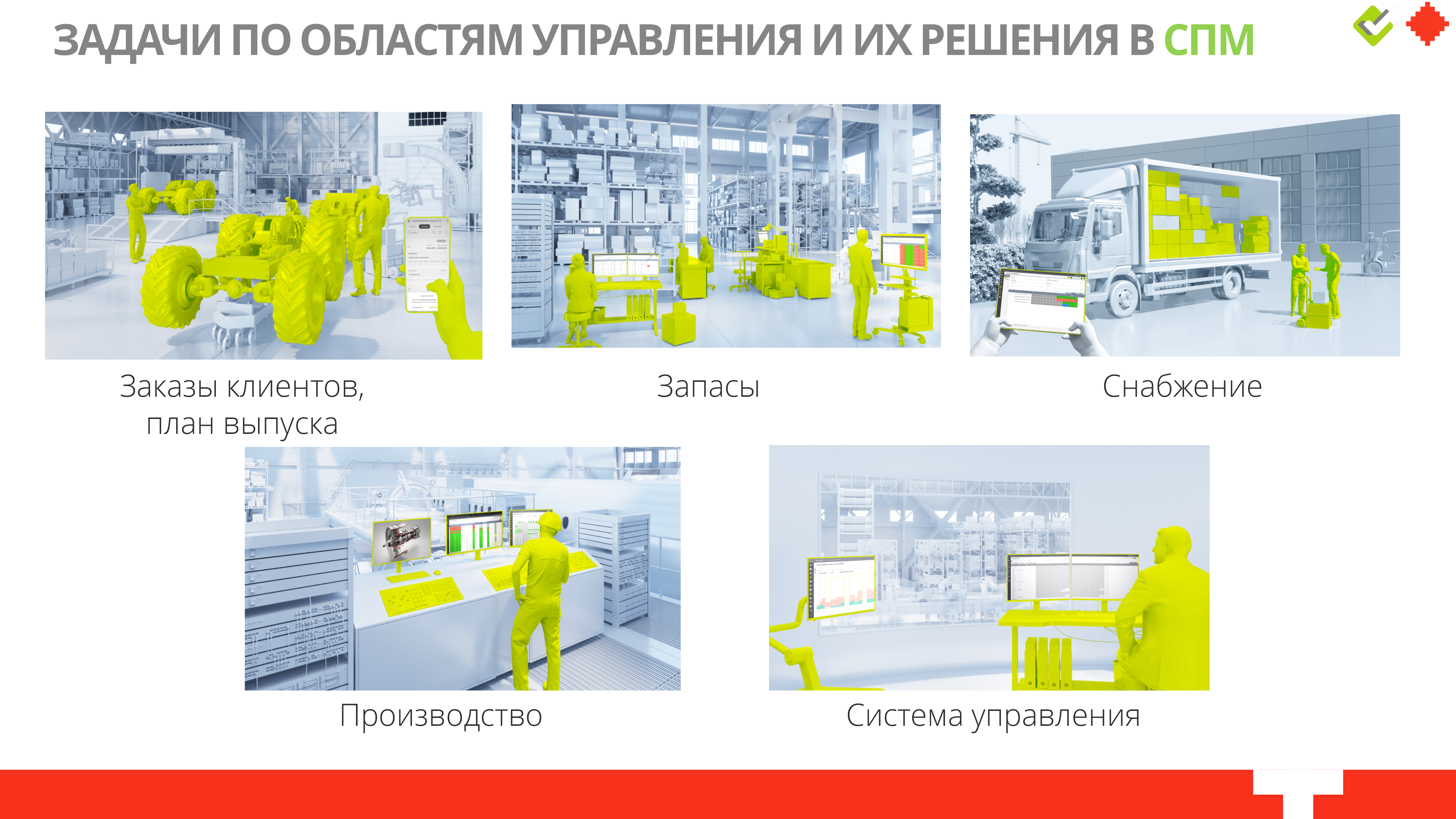
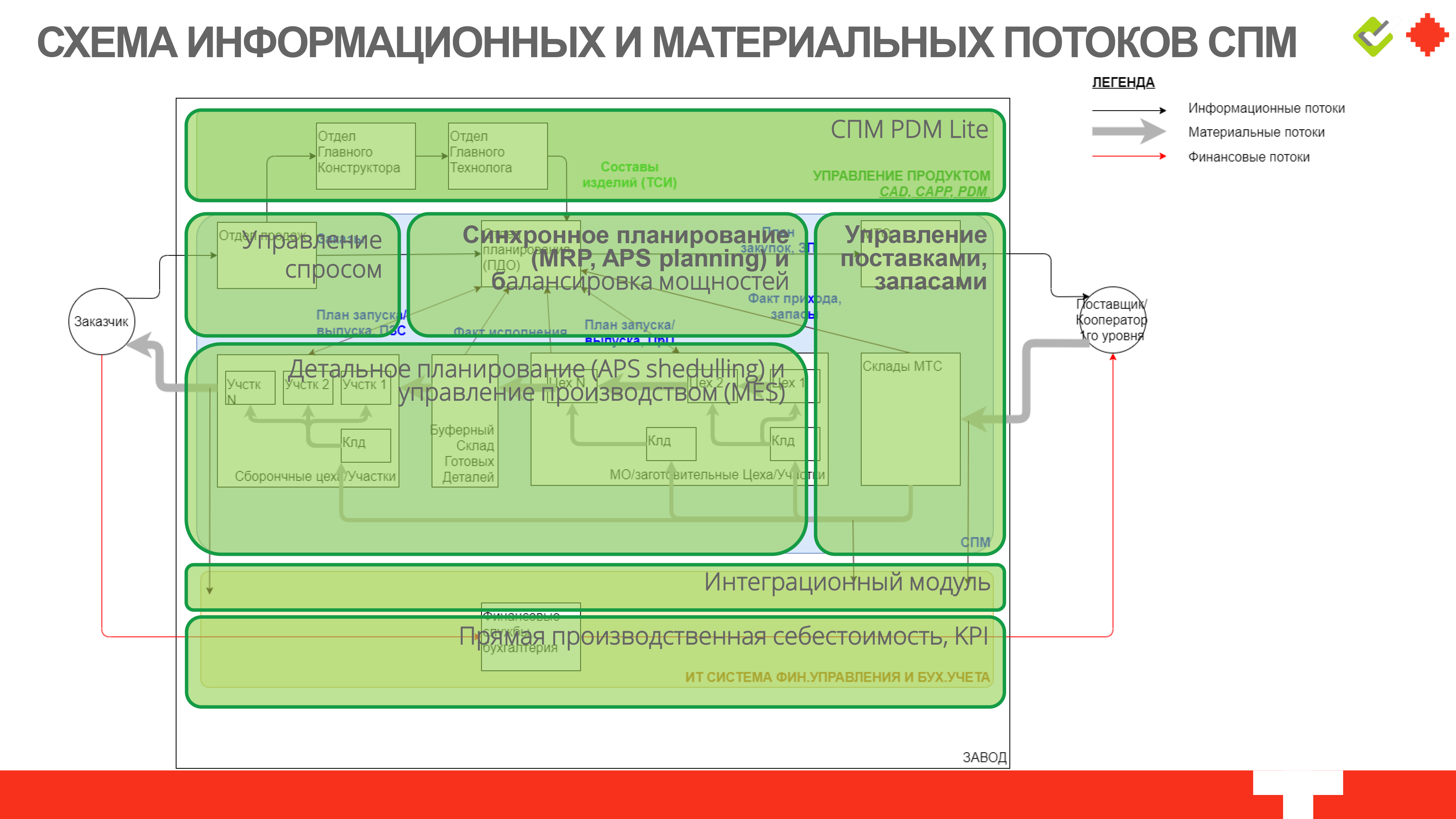
The SPM production system covers key levels of production management

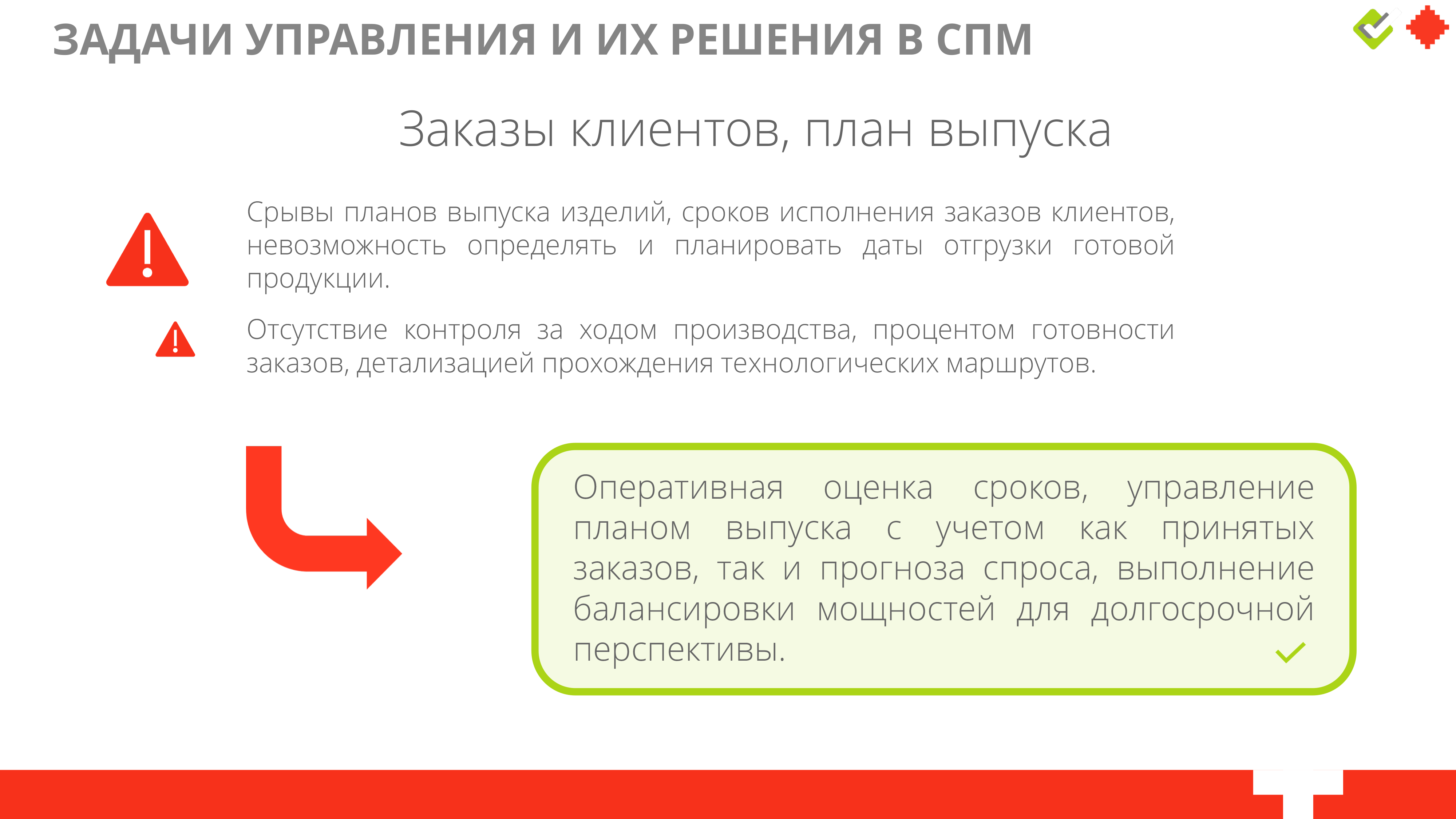
Demand management – output modeling, demand forecast balancing

(Forecasts, Customer Orders, Master Production Plan)

Long-term planning and capacity balancing

(Demand Planning, CRP)

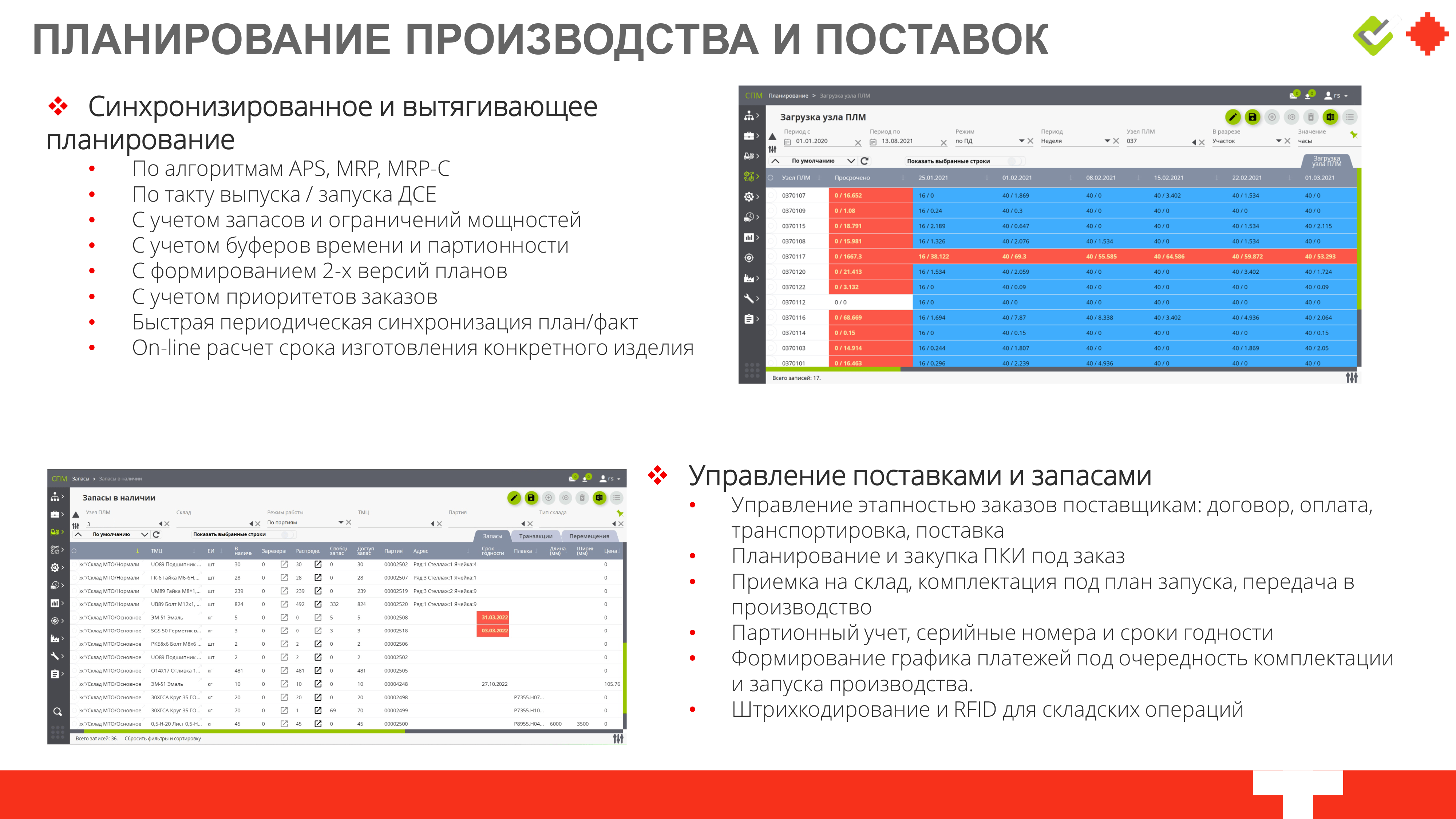
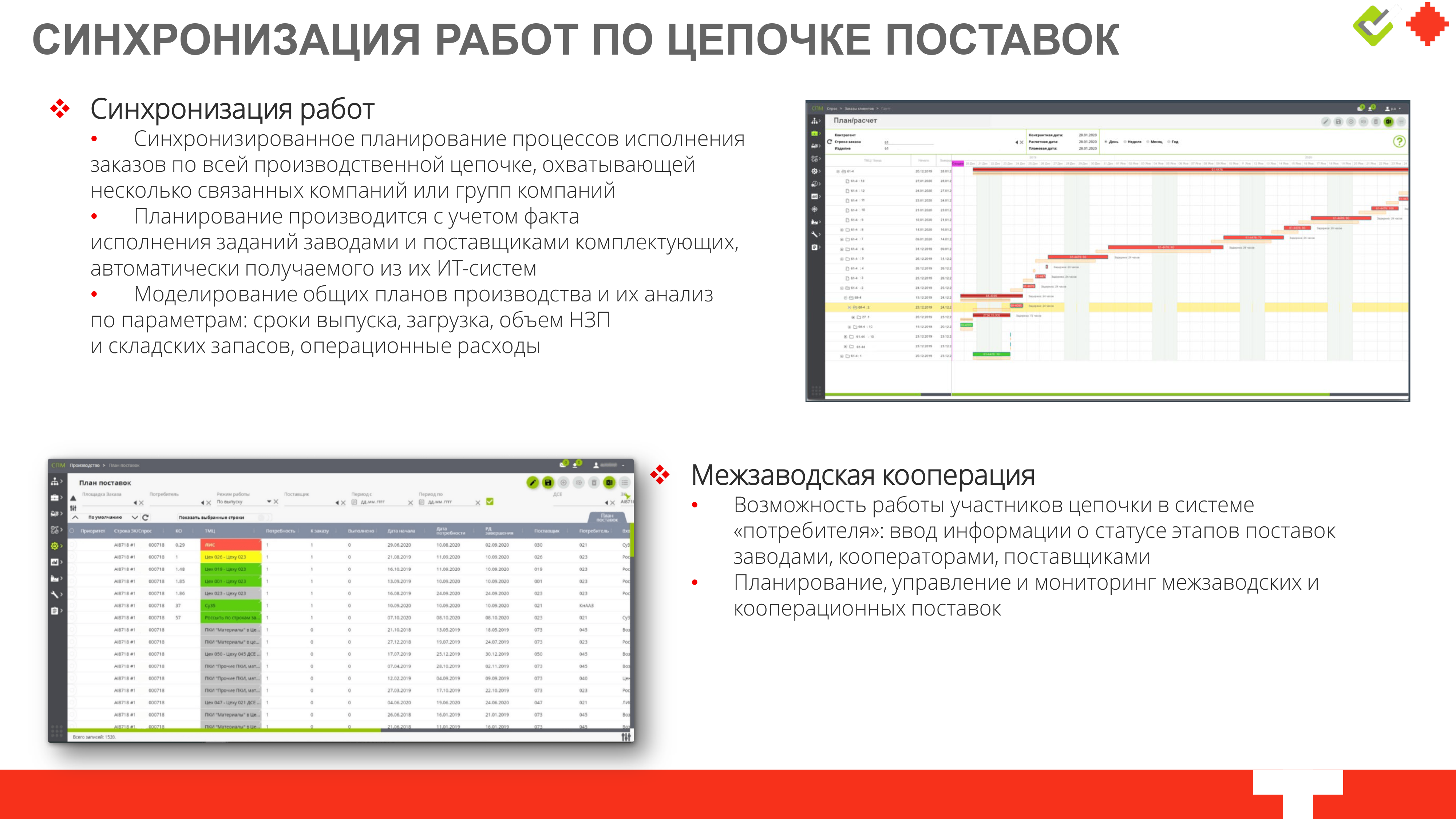
Medium-term synchronized production-supply planning

(MRP, APS, TPZ algorithms)

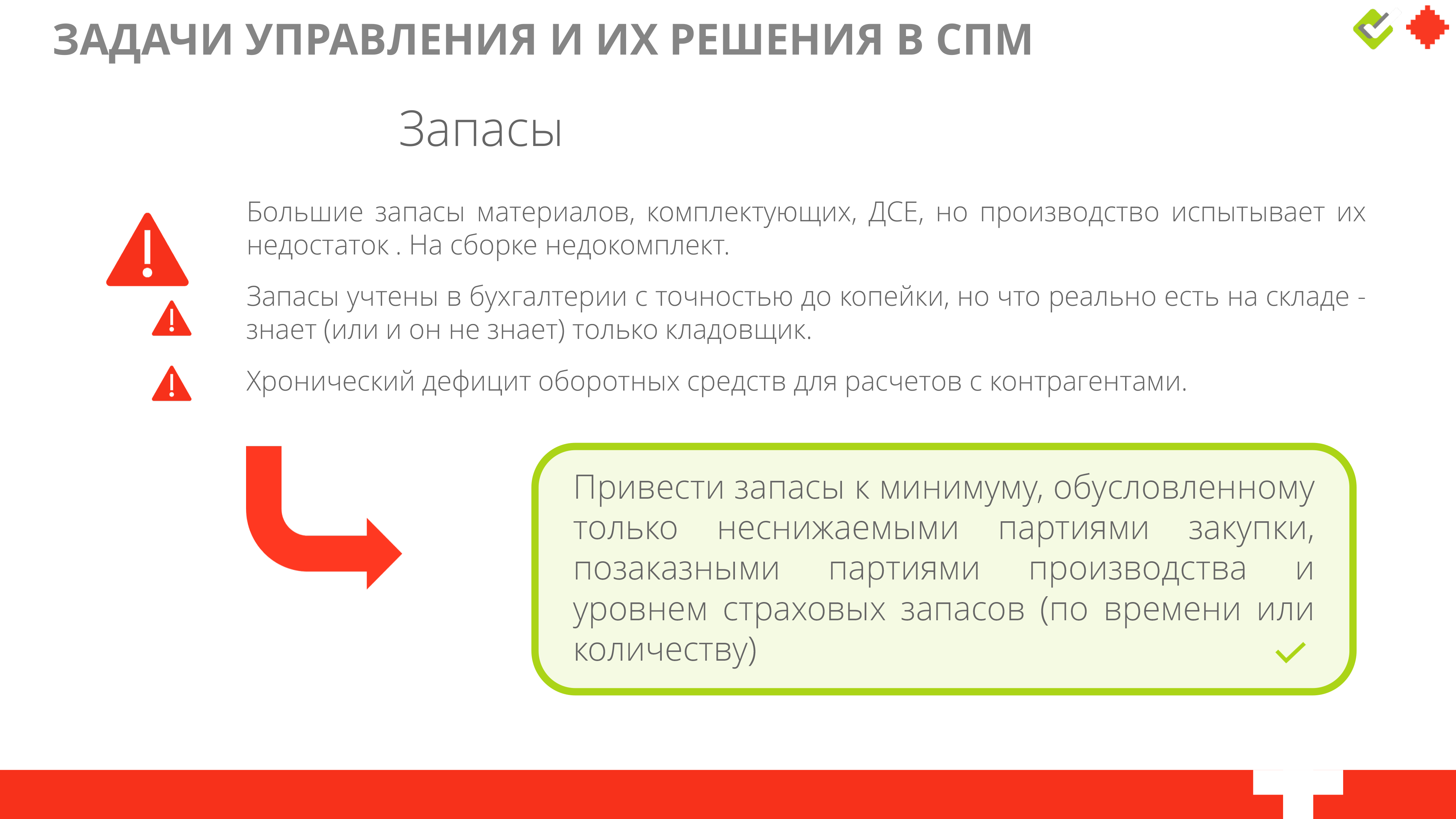
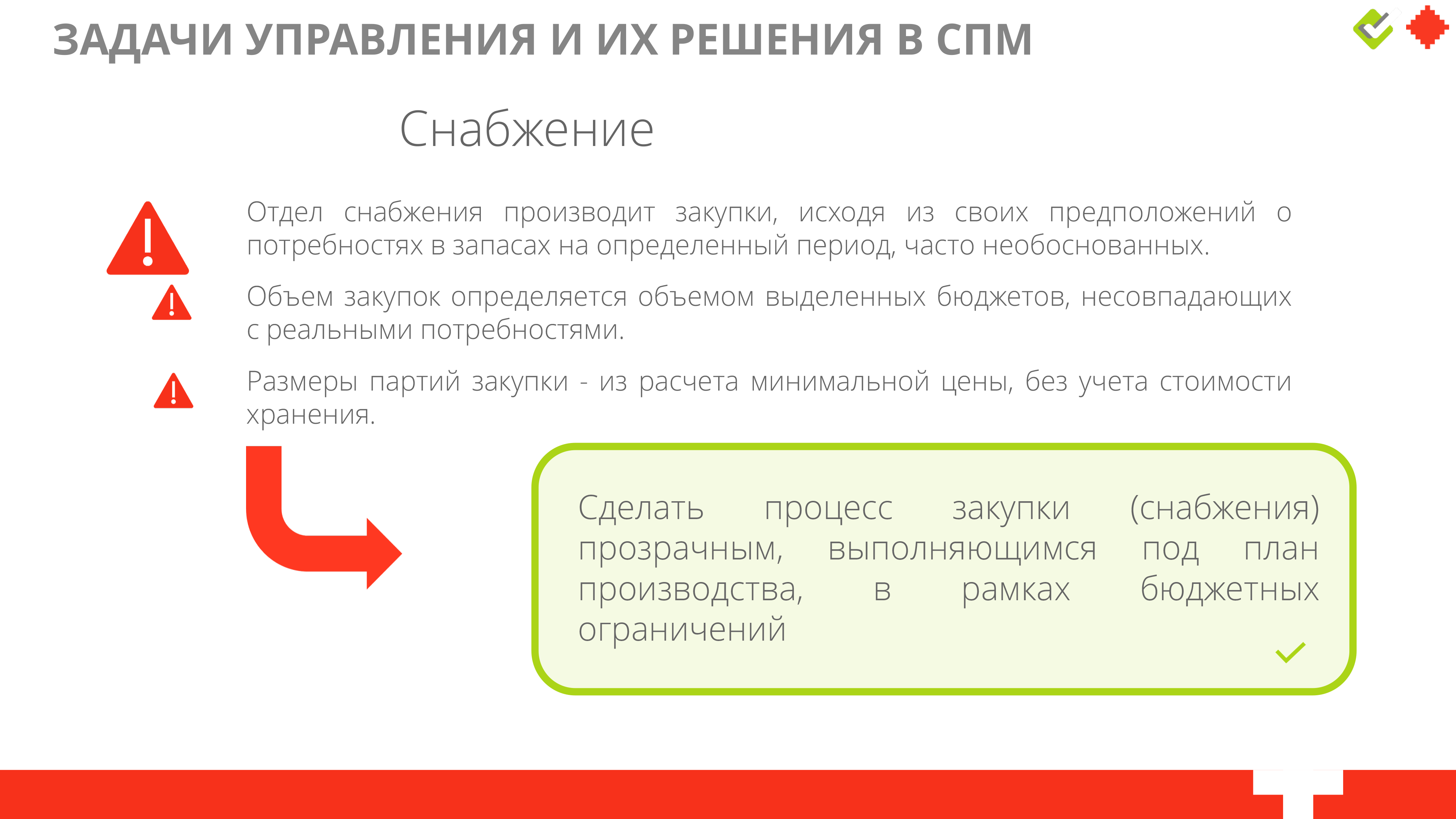
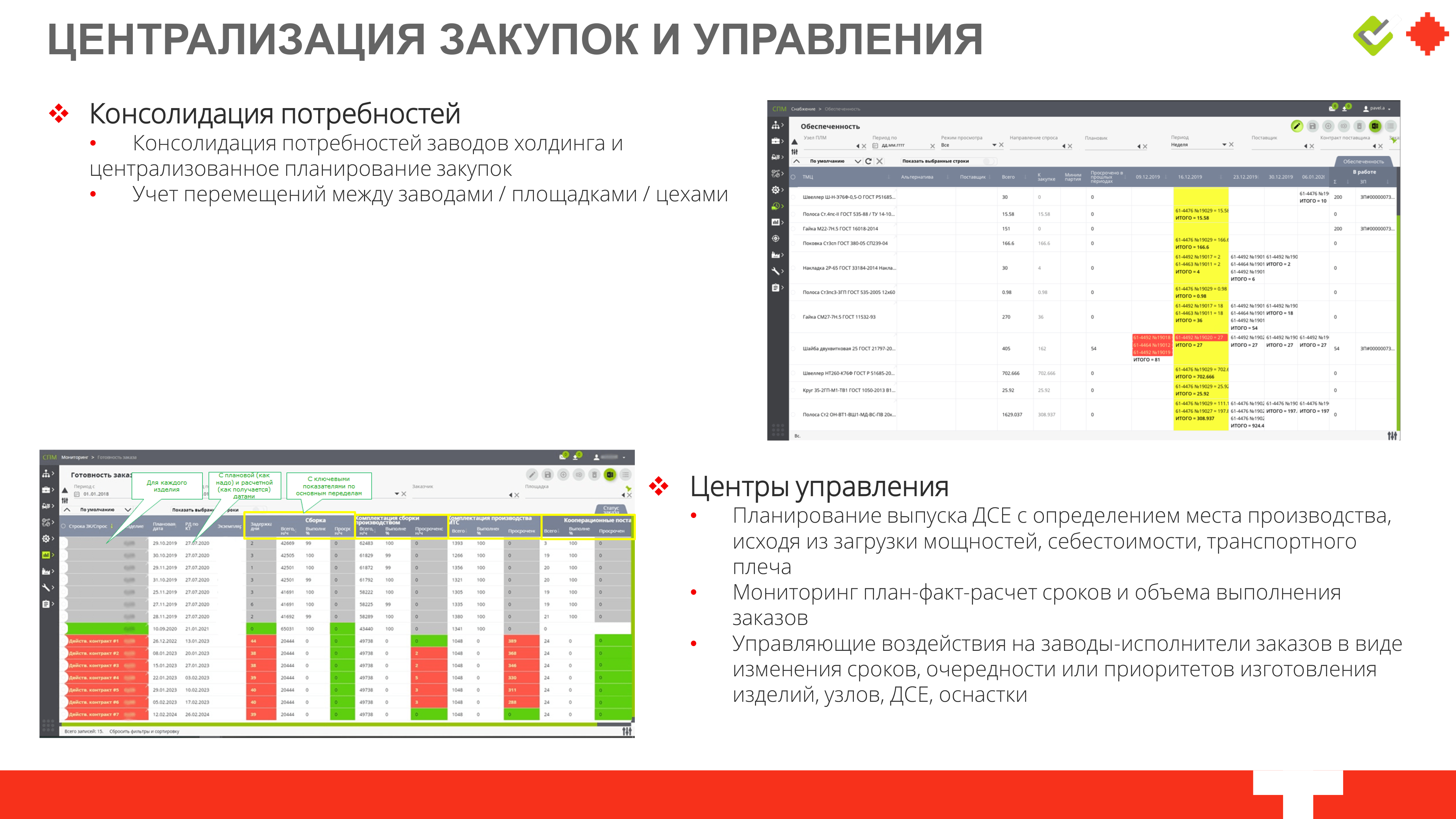
Supply and inventory management, transport logistics management

(SCM, VMI algorithms)

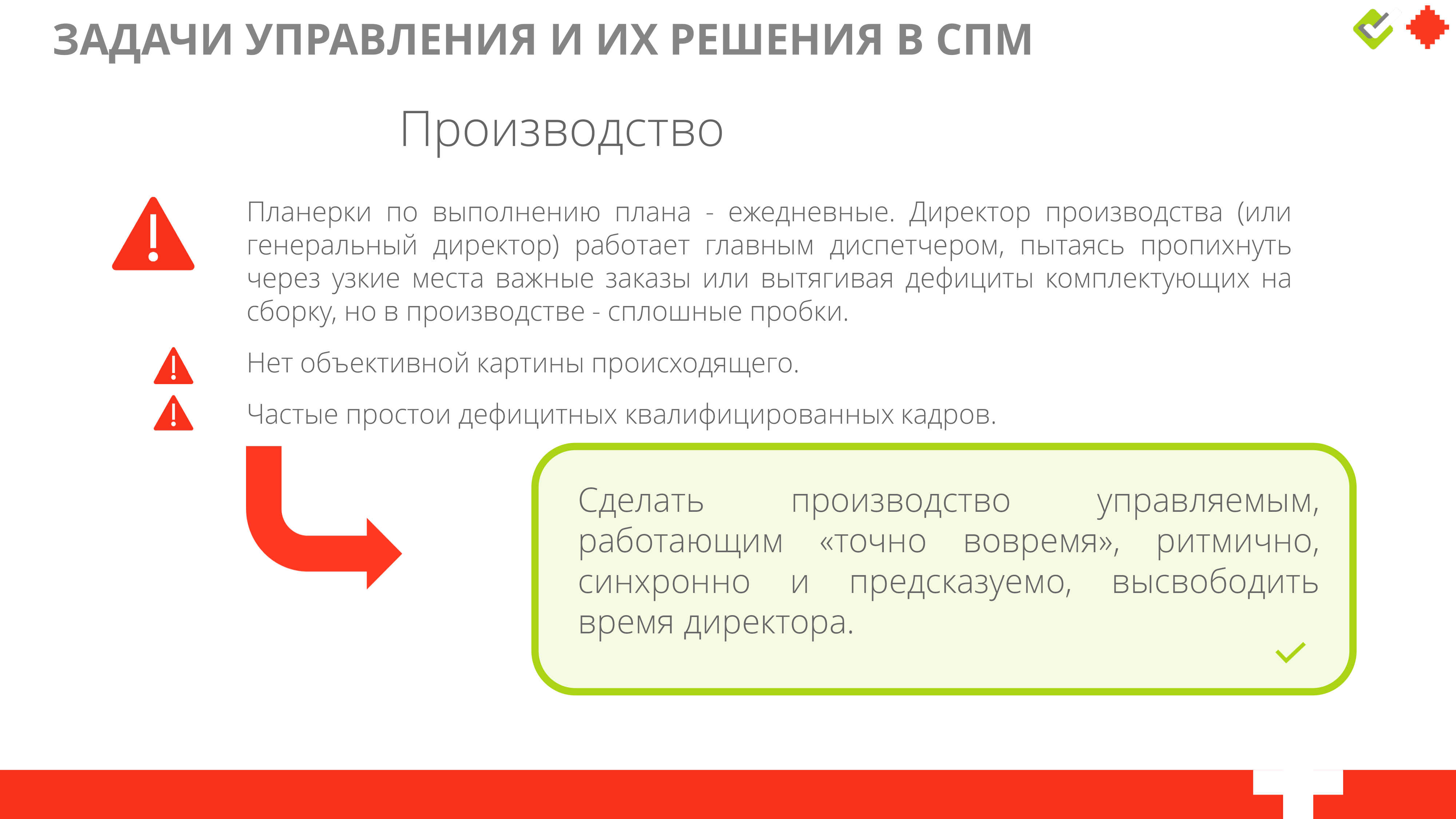
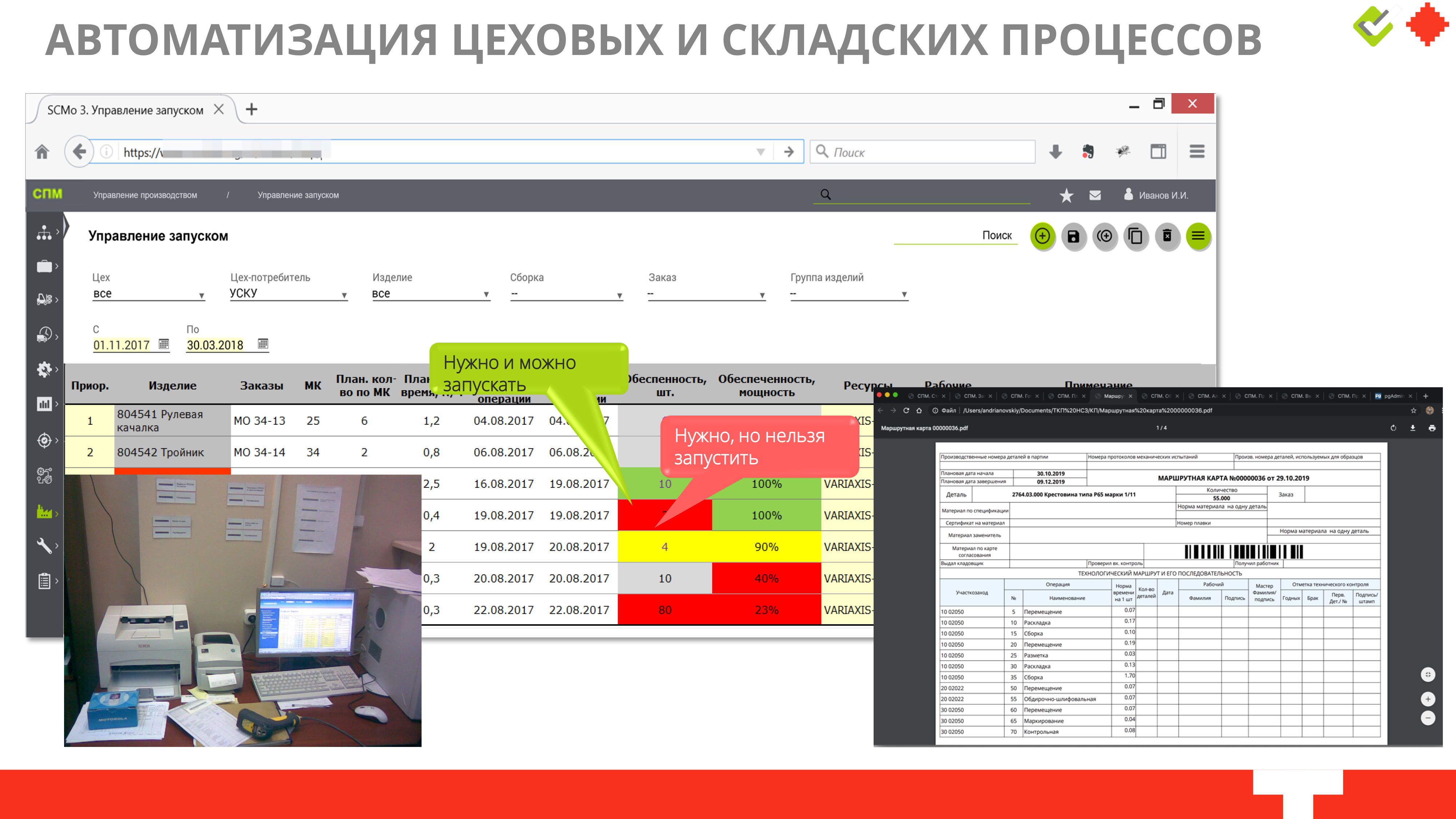
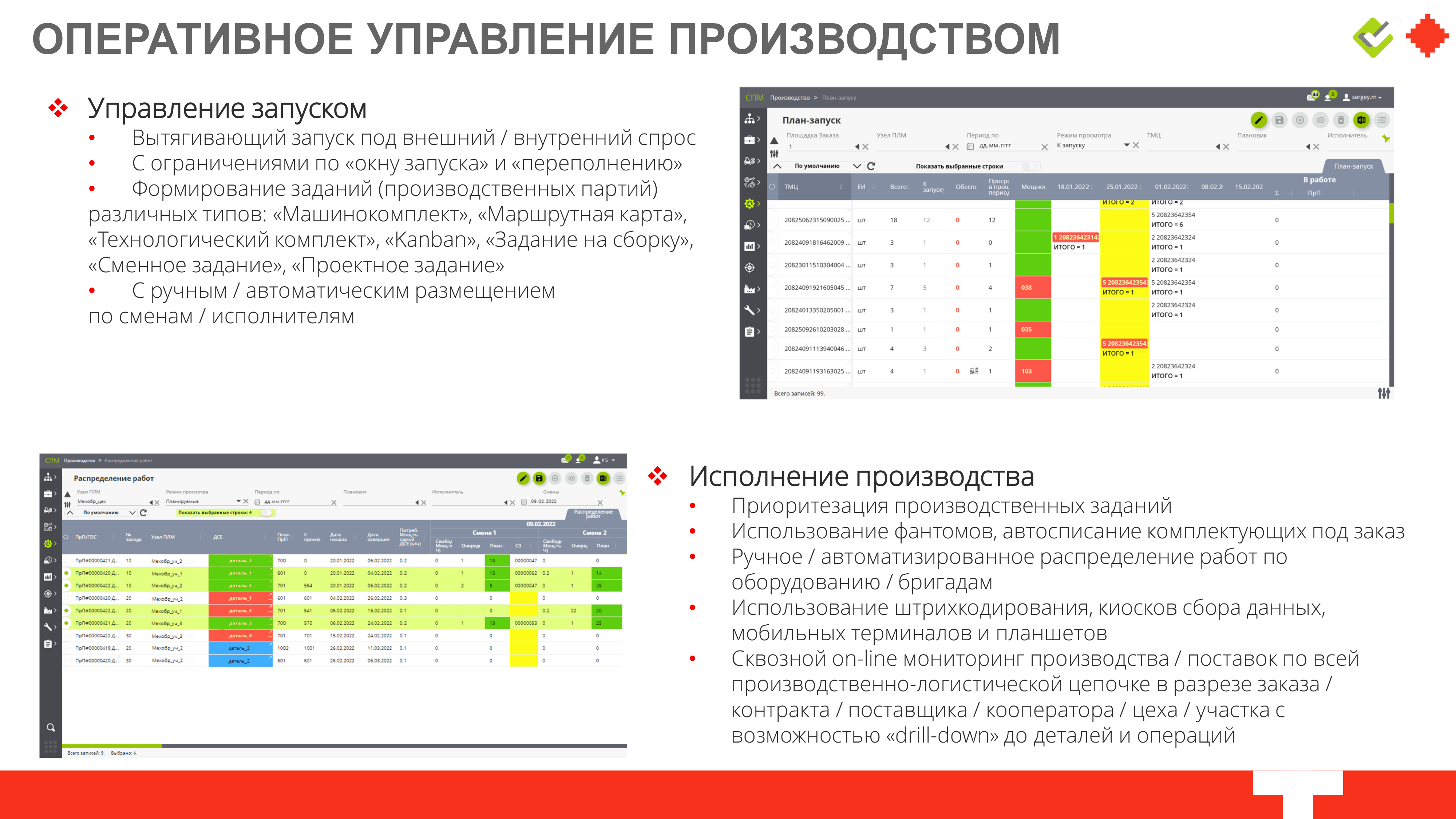
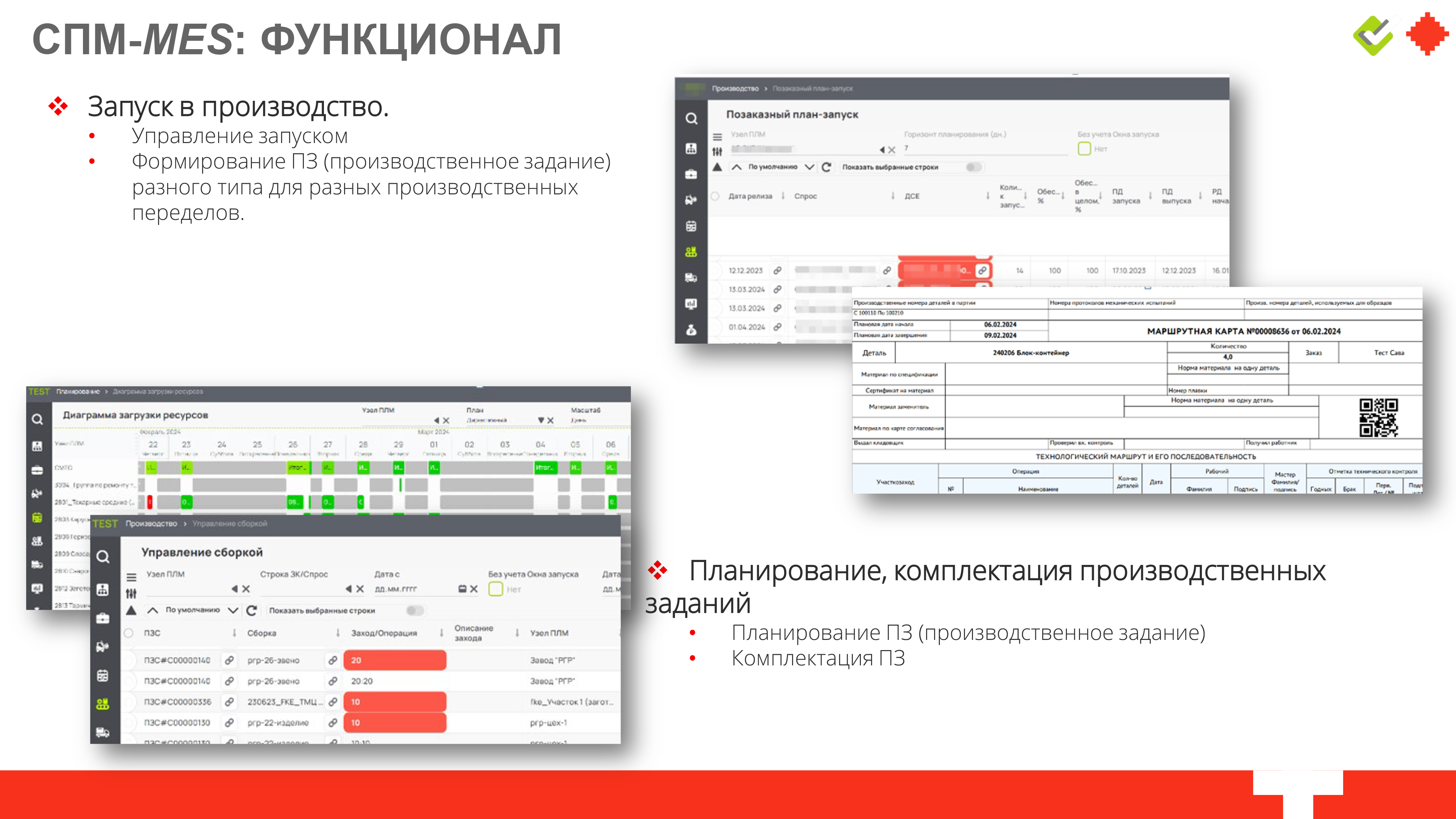
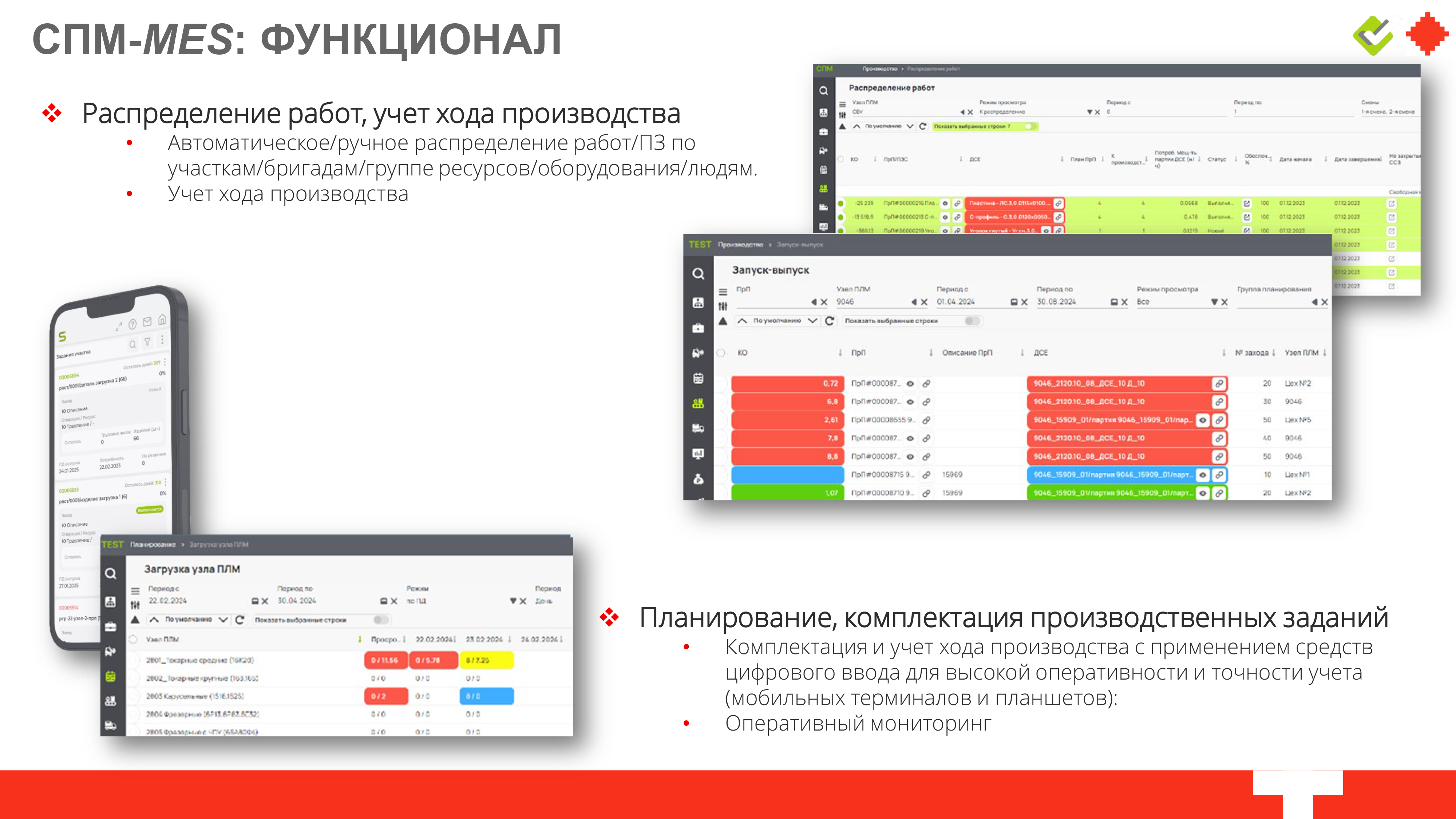
Operational planning and management of core production

(Lean – pull, kanban, visualization; MES algorithms)

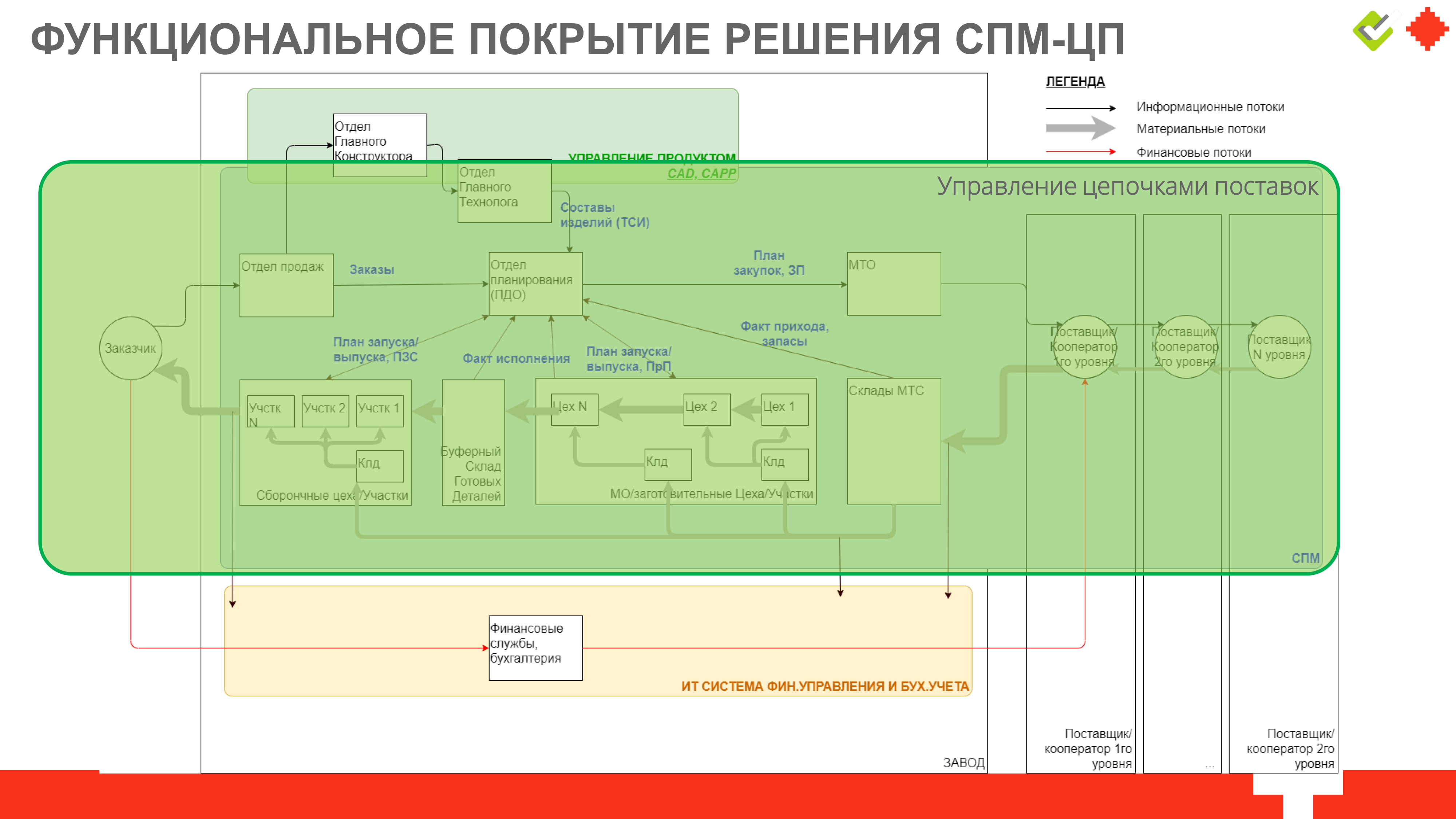
Distributed production/cooperation, supply chain management

(Possibility of work of suppliers/cooperators in the “consumer” system)

Auxiliary production of technological equipment

(Management of design and production stages, MES algorithms)

Monitoring and KPI

(On-line monitoring of production/deliveries along the entire chain - from detailed for the foreman to summary for the director)

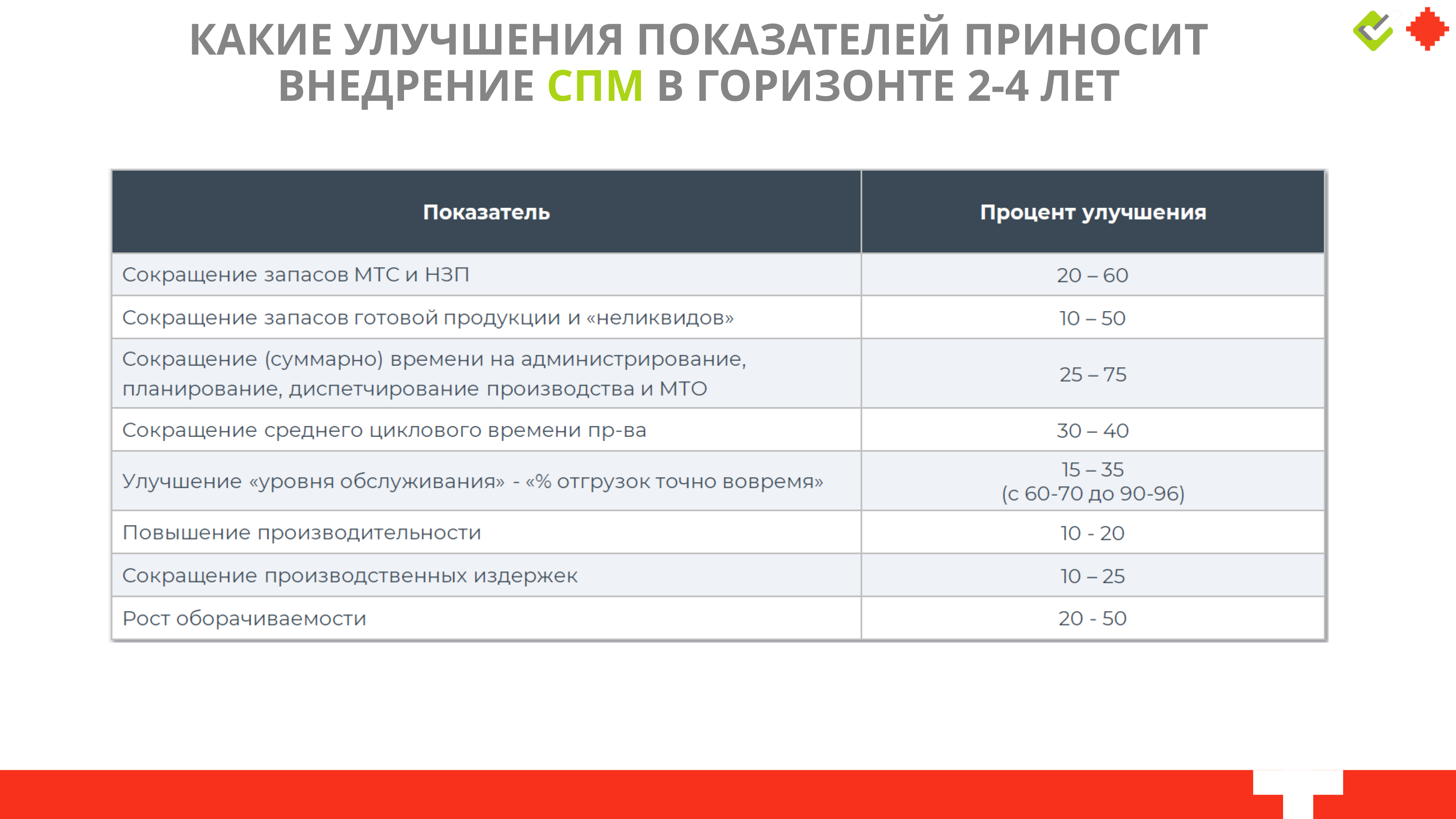
What improvements in indicators will the implementation of the SPM bring in the 2-4 year horizon:

20-60%

Reduction of MTS and WPP stocks

10-50%

Reduction of finished goods and "dead stock" stocks

25-70%

Reduction (in total) of time for administration, planning, production dispatching and logistics

30-40%

Reduction of average production cycle time

15-35%

(from 60-70 to 90-96)

Improving "service level" - "% of shipments exactly on time"

10-20%


Increased productivity

10-25%


Reducing production costs

20-50%


Increase in turnover

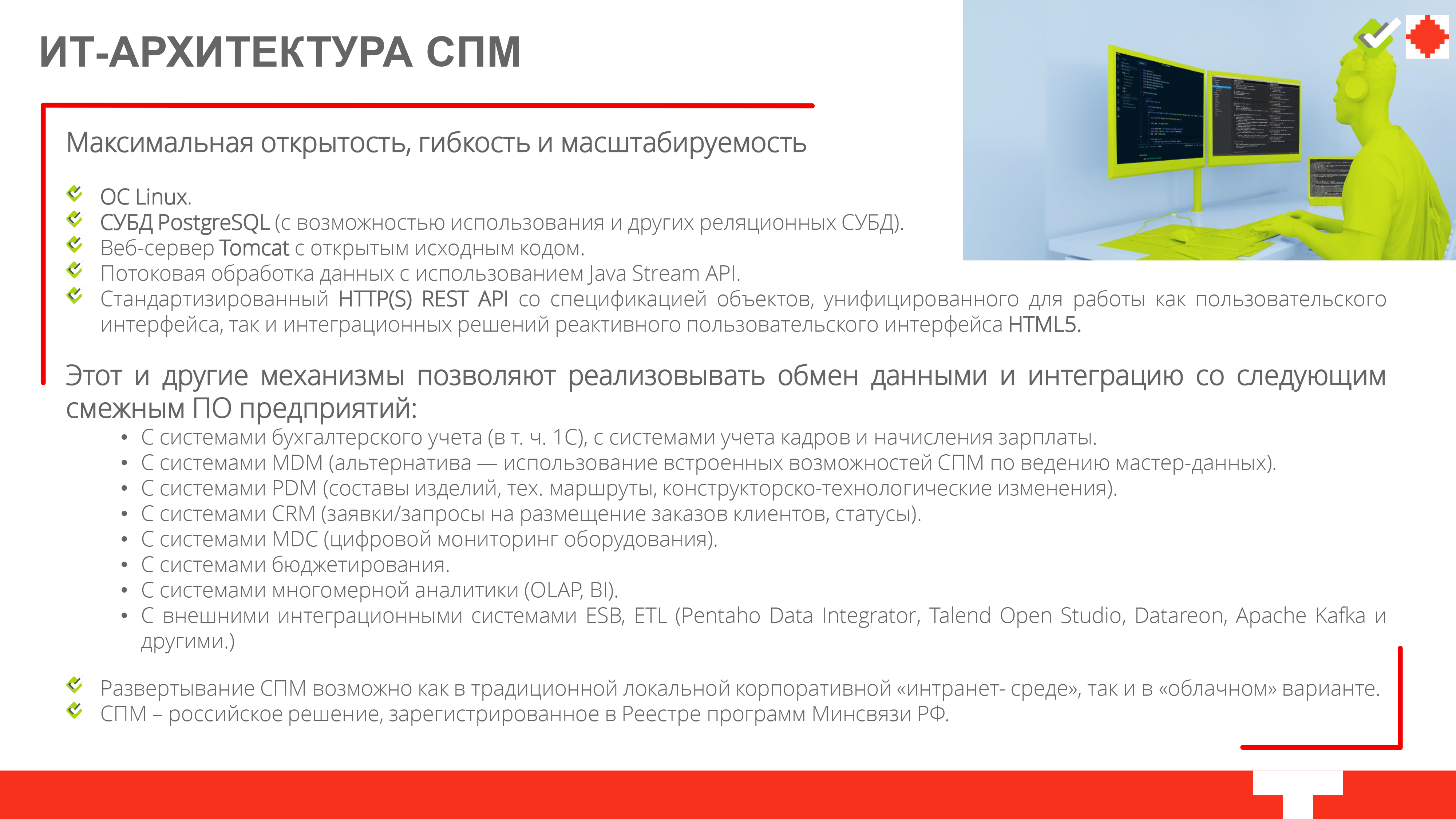
IT Platform

Linux OS

  • PostgreSQL DBMS (with the ability to use other relational DBMS)
  • Open source Tomcat web server
  • Stream data processing using Java Stream API
  • Unified HTTP(S) REST API with object specification for user interface and data exchange integration solutions.

Integration with systems is possible:

  • Accounting (incl. 1C), personnel records and payroll
  • MDM
  • PDM
  • CRM (applications/requests for placing customer orders, statuses)
  • MDC (digital equipment monitoring)
  • Budgeting
  • Multidimensional analytics (OLAP, BI)
  • External integration systems ESB, ETL
  • (Pentaho Data Integrator, Talend Open Studio, Datareon, Apache Kafka and others).

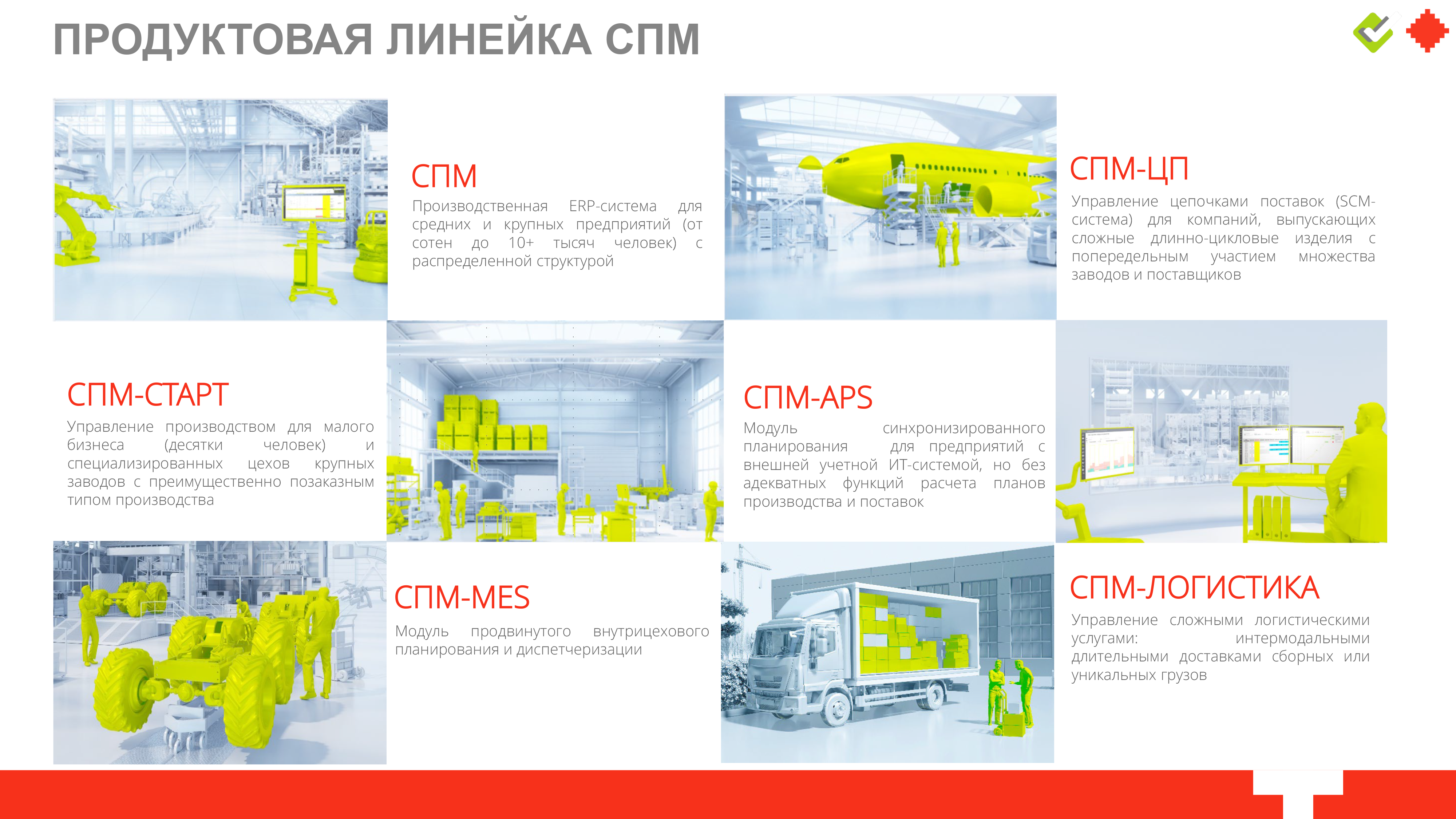
Product line of the PPM system

  • SPM-START
Production management for small businesses (tens of people) and specialized workshops of large factories with predominantly custom-made production

  • SPM
Manufacturing ERP system for medium and large enterprises (from hundreds to 10+ thousand people) with a distributed structure

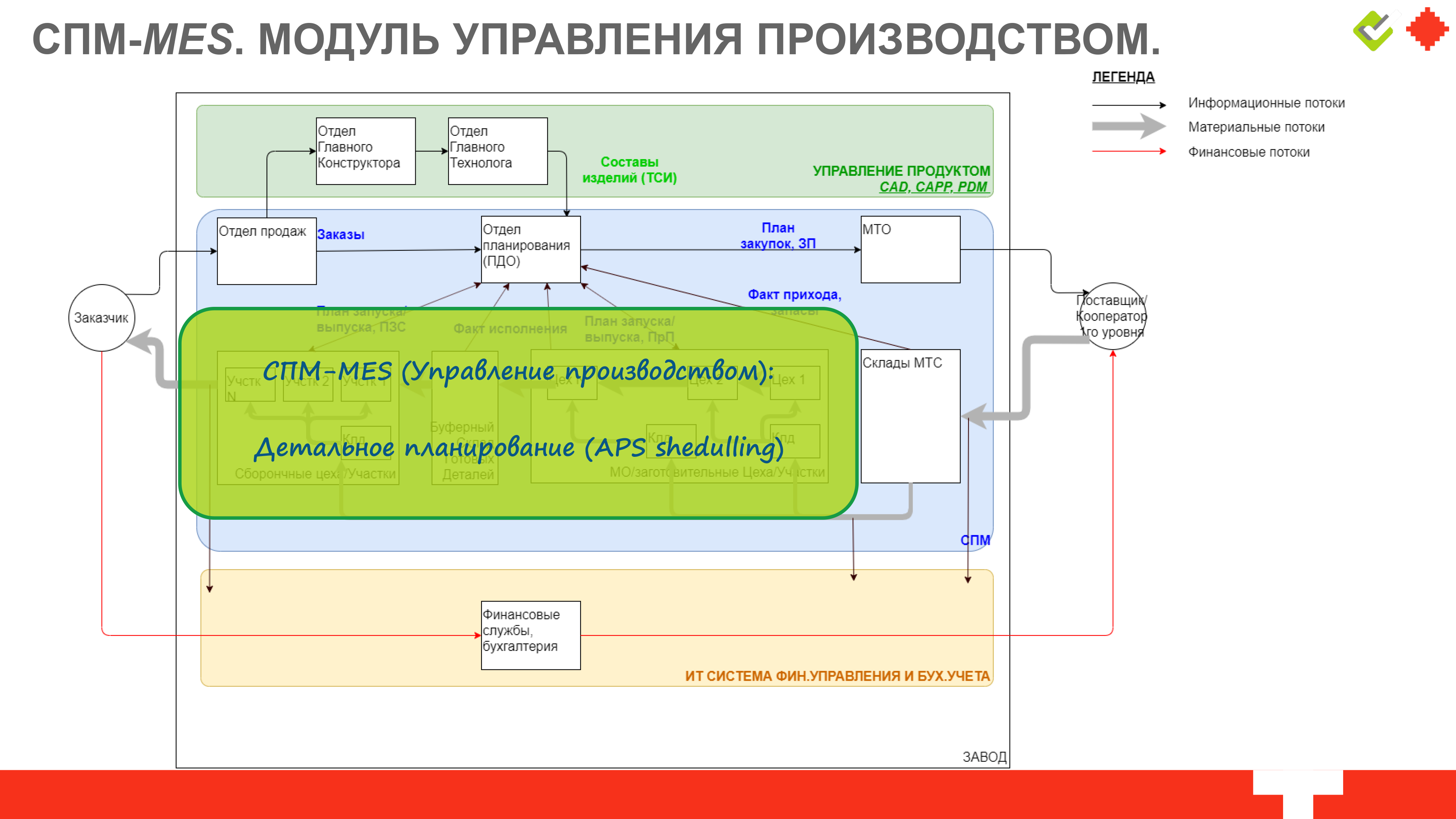
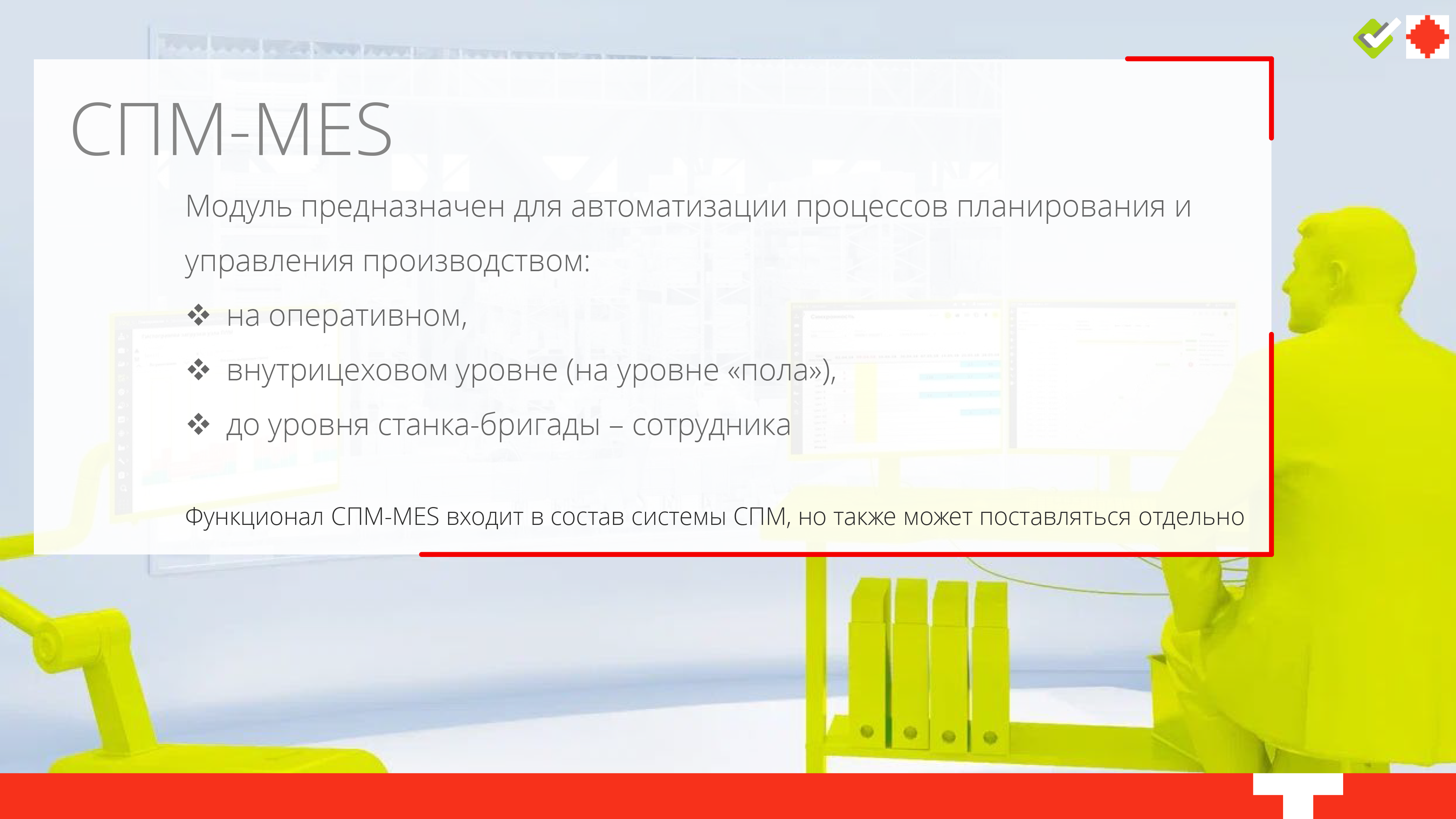
  • SPM-MES
Advanced Intra-Shop Planning and Dispatching Module

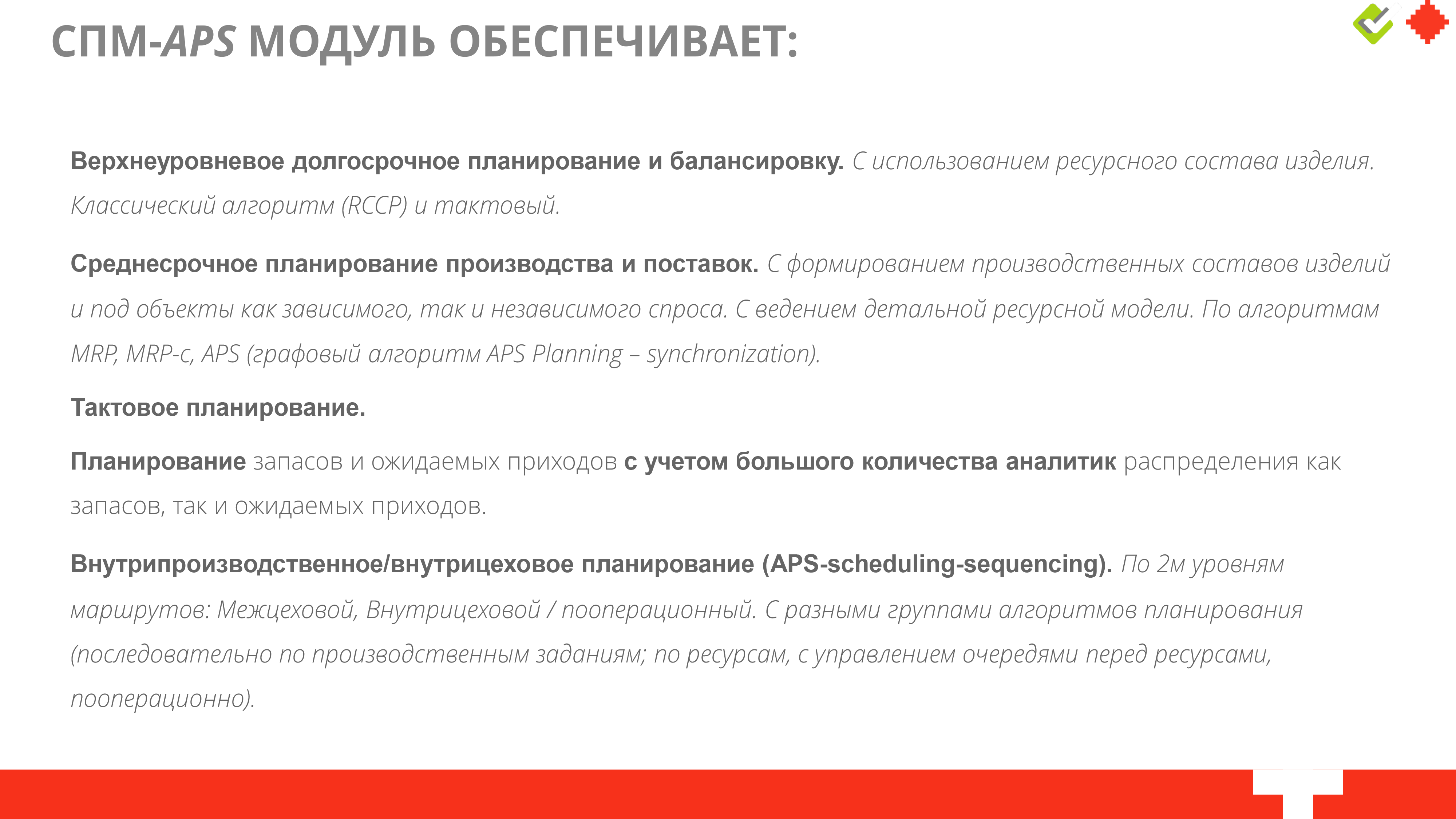
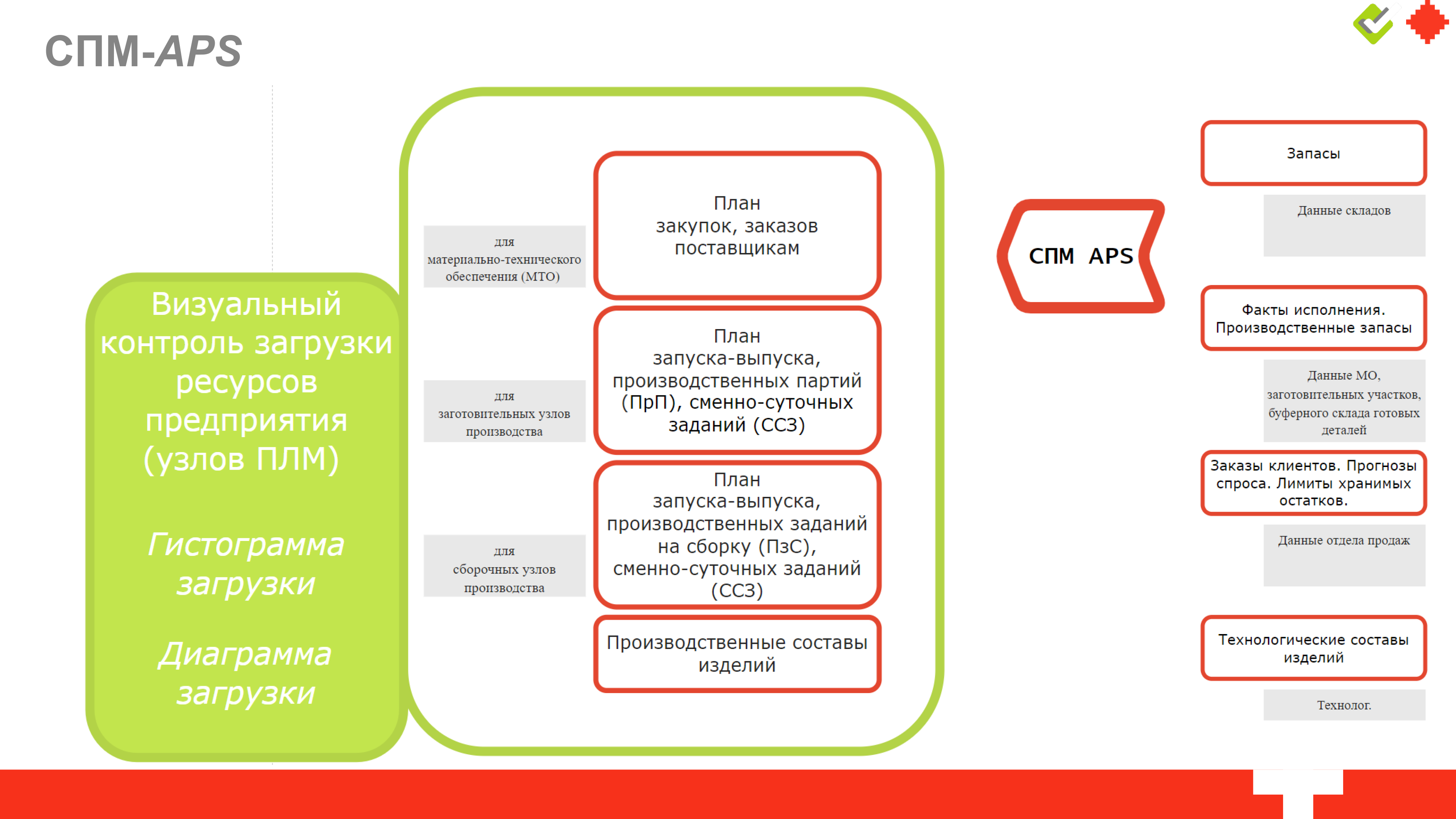
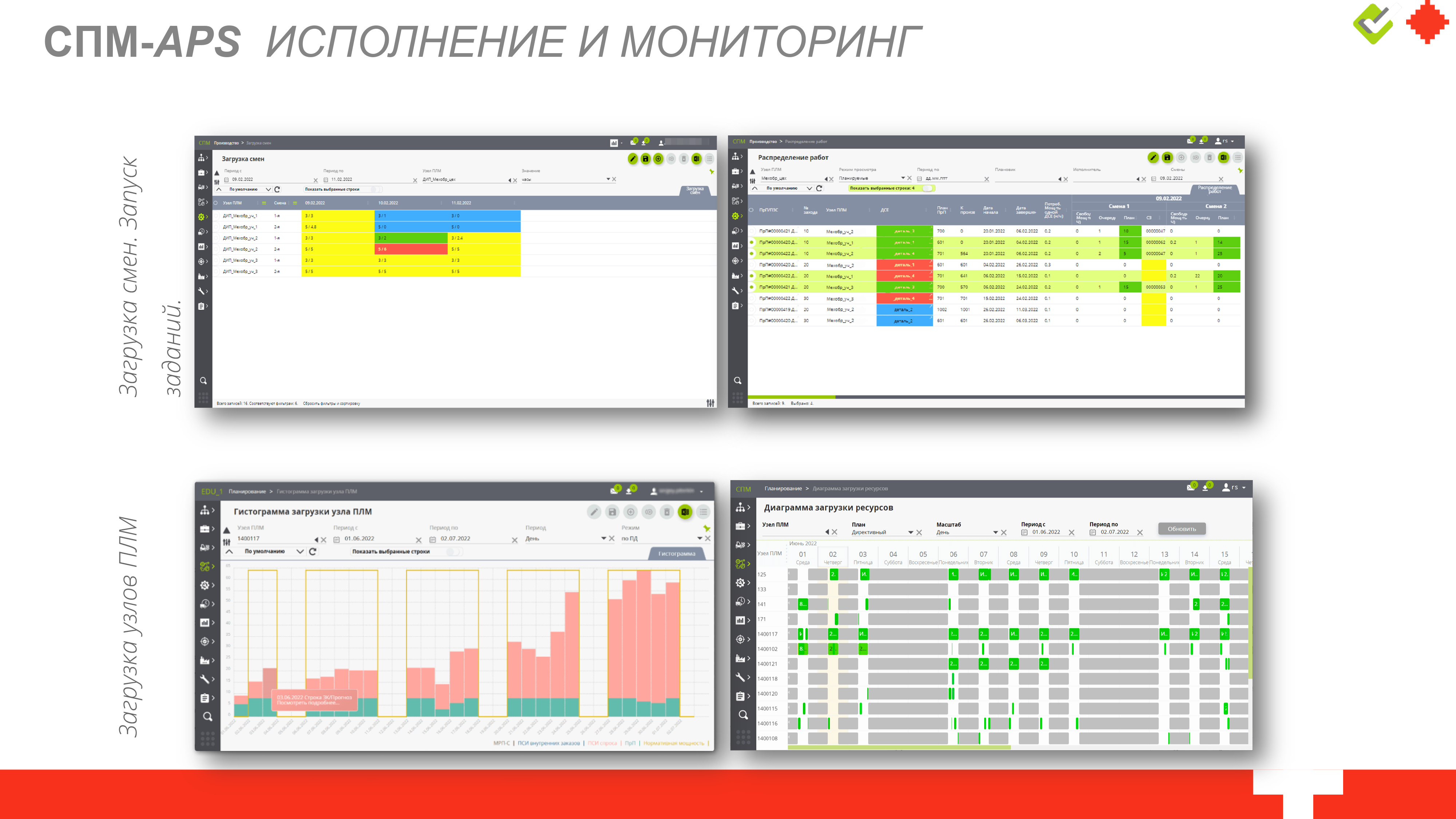
  • SPM-APS
Synchronized planning module for companies with an external accounting IT system, but without adequate functions for calculating production and supply plans

  • SPM-CM
Supply chain management (SCM system) for companies producing complex long-cycle products with the interstage participation of many plants and suppliers

  • SPM-LOGISTICS
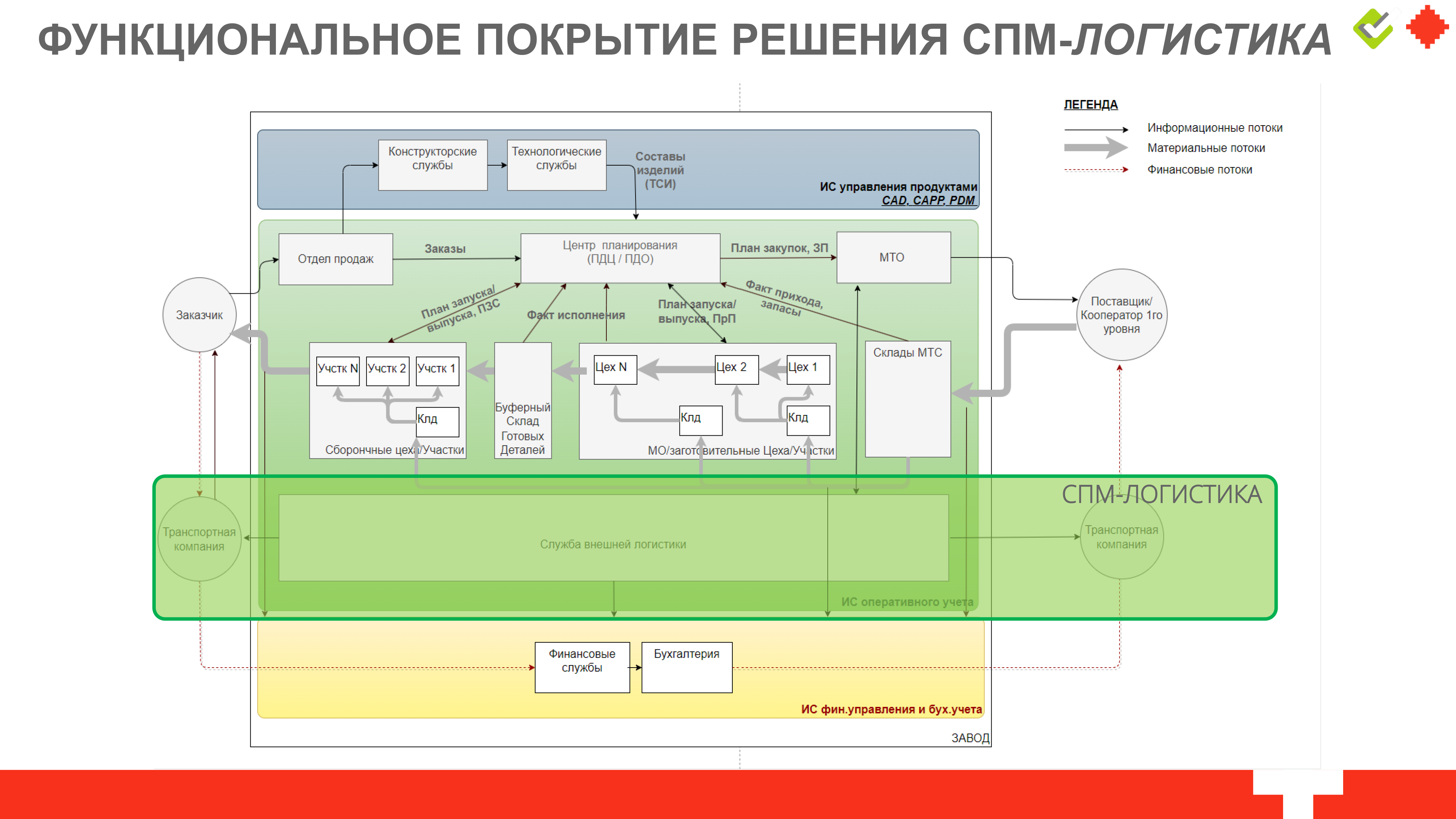
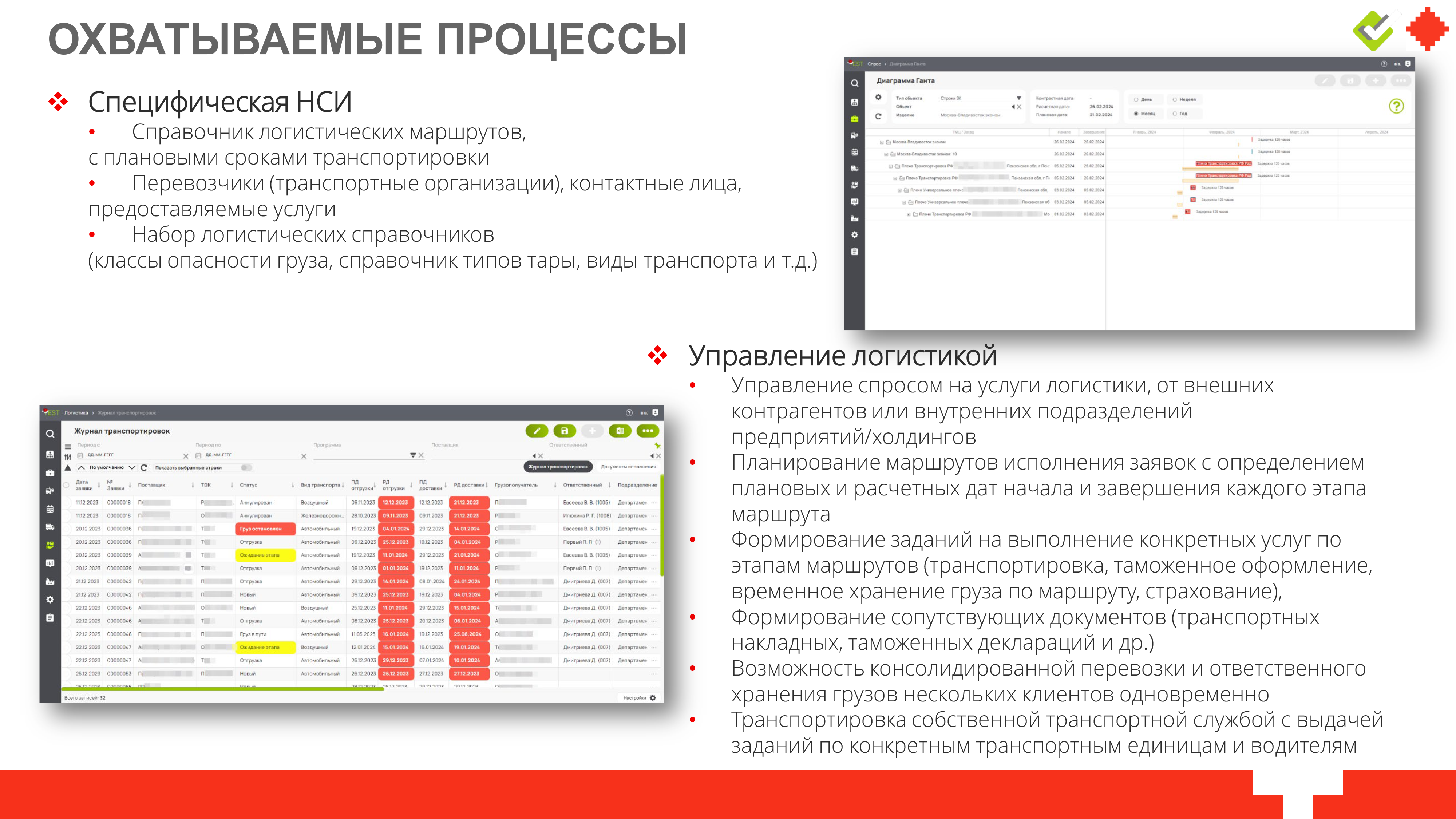
Management of complex logistics services: intermodal long-distance deliveries of consolidated or unique cargo

Business digitalization

What is digital business transformation and what is its effect?

What benefits does it bring?

"Pitfalls" on the path to digitalization of enterprise operations and how to avoid them.

General Director of ALPE consulting Stanislav Malyshev talks about this in the program "Business and Digital" on the TV channel "Pro Business"

ERP system SPM

Stanislav Malyshev, General Director of ALPE consulting, and Arkady Terzi, Development Director and Head of the PPMS Group at ALPE consulting, talk about what the PPMS manufacturing ERP system is, how it improves business efficiency, and what its advantages are.
Webinar about the Russian manufacturing ERP system SPM

Webinar on the Russian manufacturing ERP system SPM (System of Production planning and Monitoring). The webinar provides detailed information on the various versions of the SPM solution and discusses the possibilities of operational migration from existing systems.

Answers to questions on the material

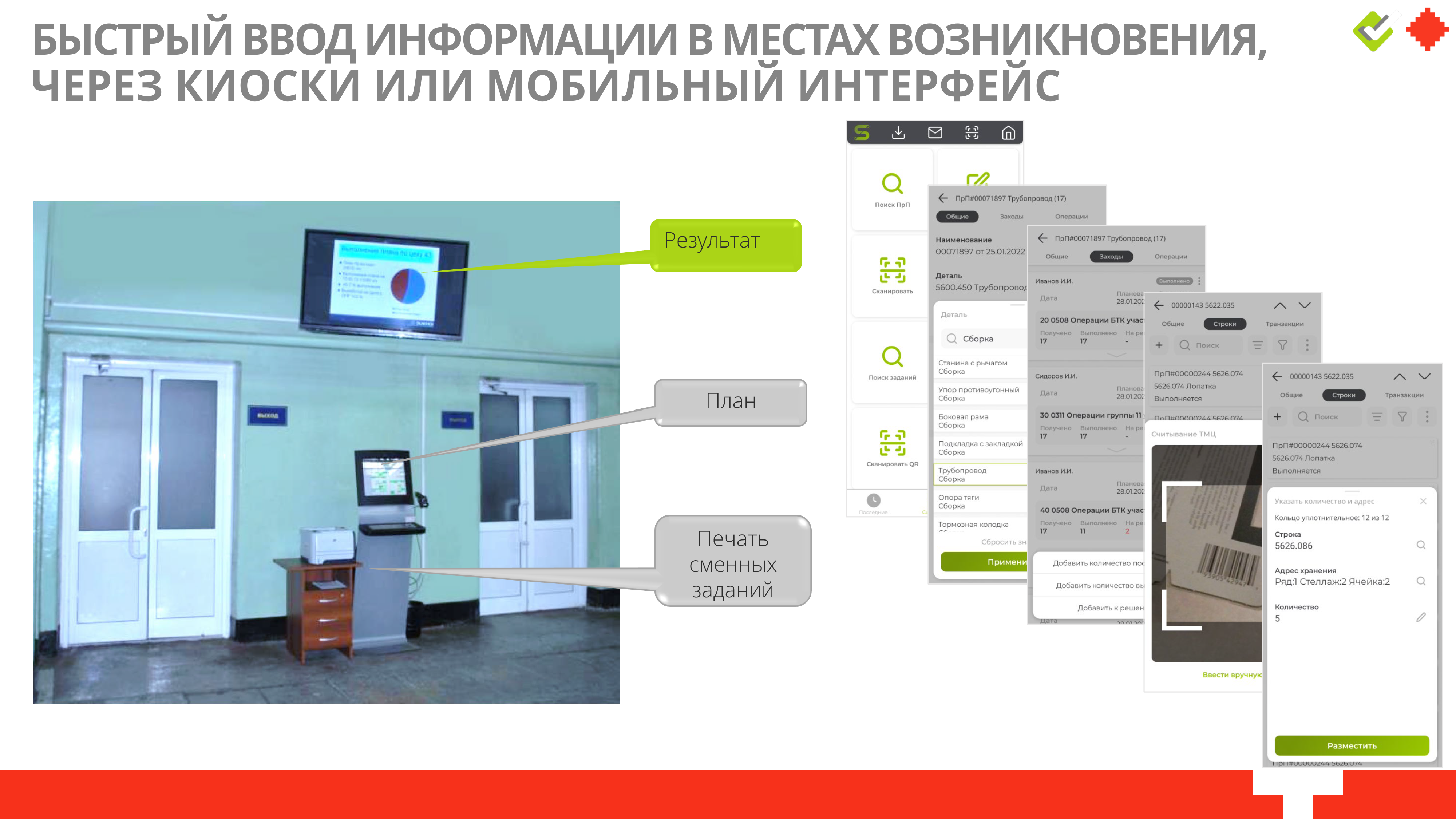
Mobile environment of SPM - Russian solution for production management and monitoring

Webinar about the SPM mobile interface, which provides quick and easy access to information in the system.

  • We talk in detail about the SPM mobile interface;
  • We demonstrate a role-playing scenario of work from creating a customer order to releasing finished products.

LeanDI Technology – a digital platform for fast data processing and application development

LeanDI technology creates an integrated data model that can be conveniently and very quickly worked with, linking the application system developed by programmers and the data landscape. Due to its scalability, it is a unique solution that replaces many other subsystems. A physically decentralized data landscape can include any DBMS, because the DBMS is used simply as a means of storing data.

Discussed by Stanislav Malyshev, General Director of ALPE consulting, and Oleg Vorontsov, General Director of Lindi Technology

Planning purchases and accounting of settlements with suppliers based on the integrated solution SPM + 1C

We tell you how the integration of SPM and 1C systems qualitatively increases the efficiency of the process of managing production supply chains, solving the problems of missed delivery dates, lack of up-to-date information on the MTO warehouse, and reducing the risk of errors when entering data.